You walk into a store.
Maybe you came to buy something. Maybe you didn’t.
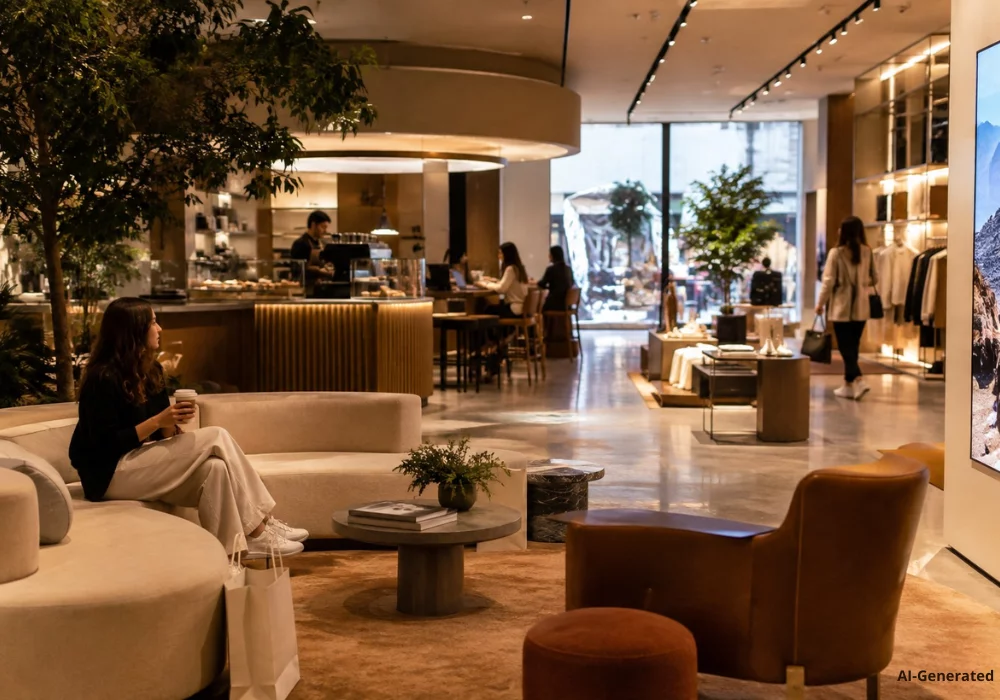
You grab a coffee, meet a friend, join a workout, discover a new brand or stay for an event. You might spend an hour there without making a purchase at all.
And yet, the visit still matters.
This is the shift happening in physical retail: the store is becoming less about what people buy and more about what they do while they are there.
For decades, retail was built around a simple journey: enter, browse, buy, leave.
But when almost anything can be purchased online, physical spaces need to offer something that a screen cannot: a reason to stay.
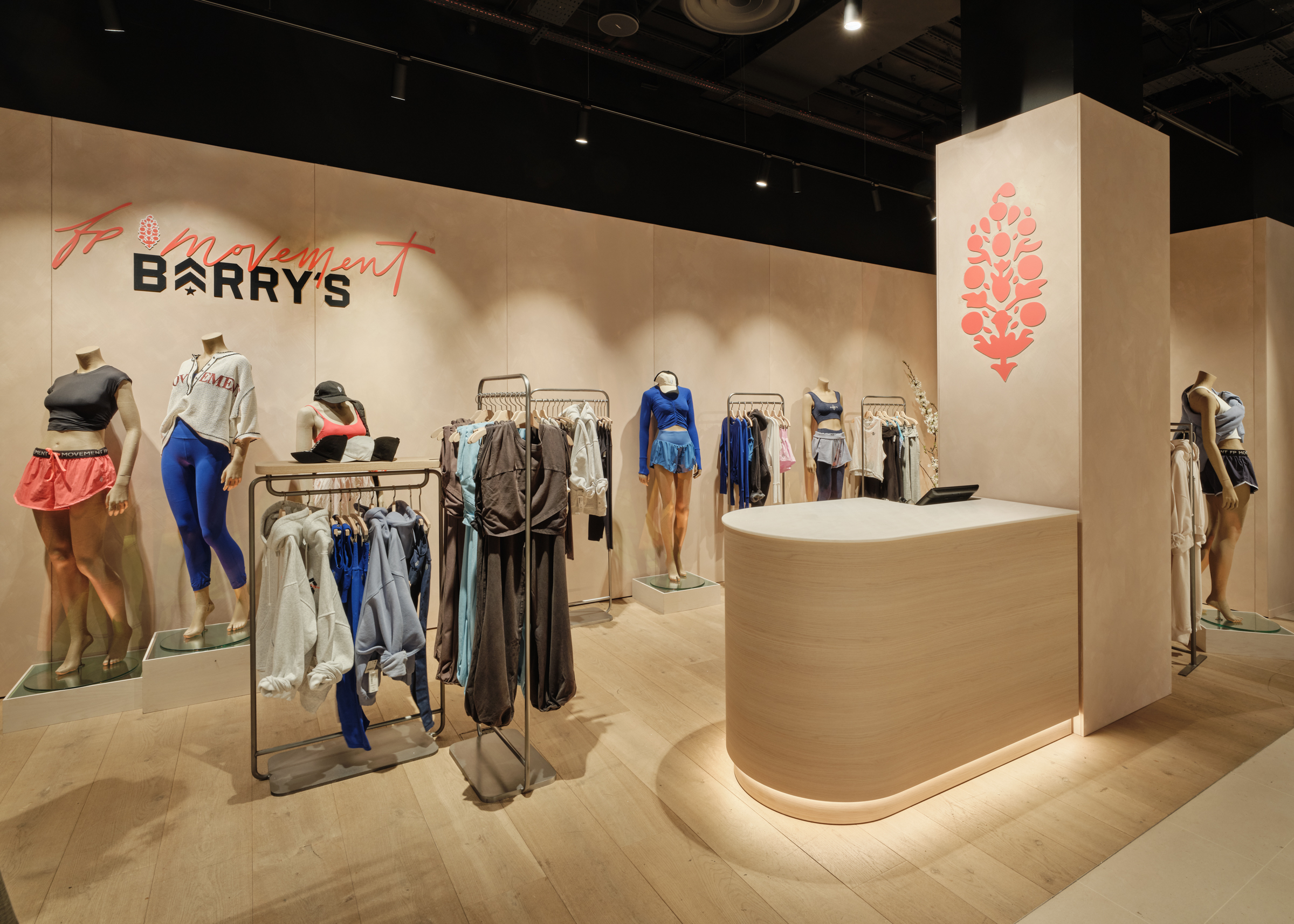
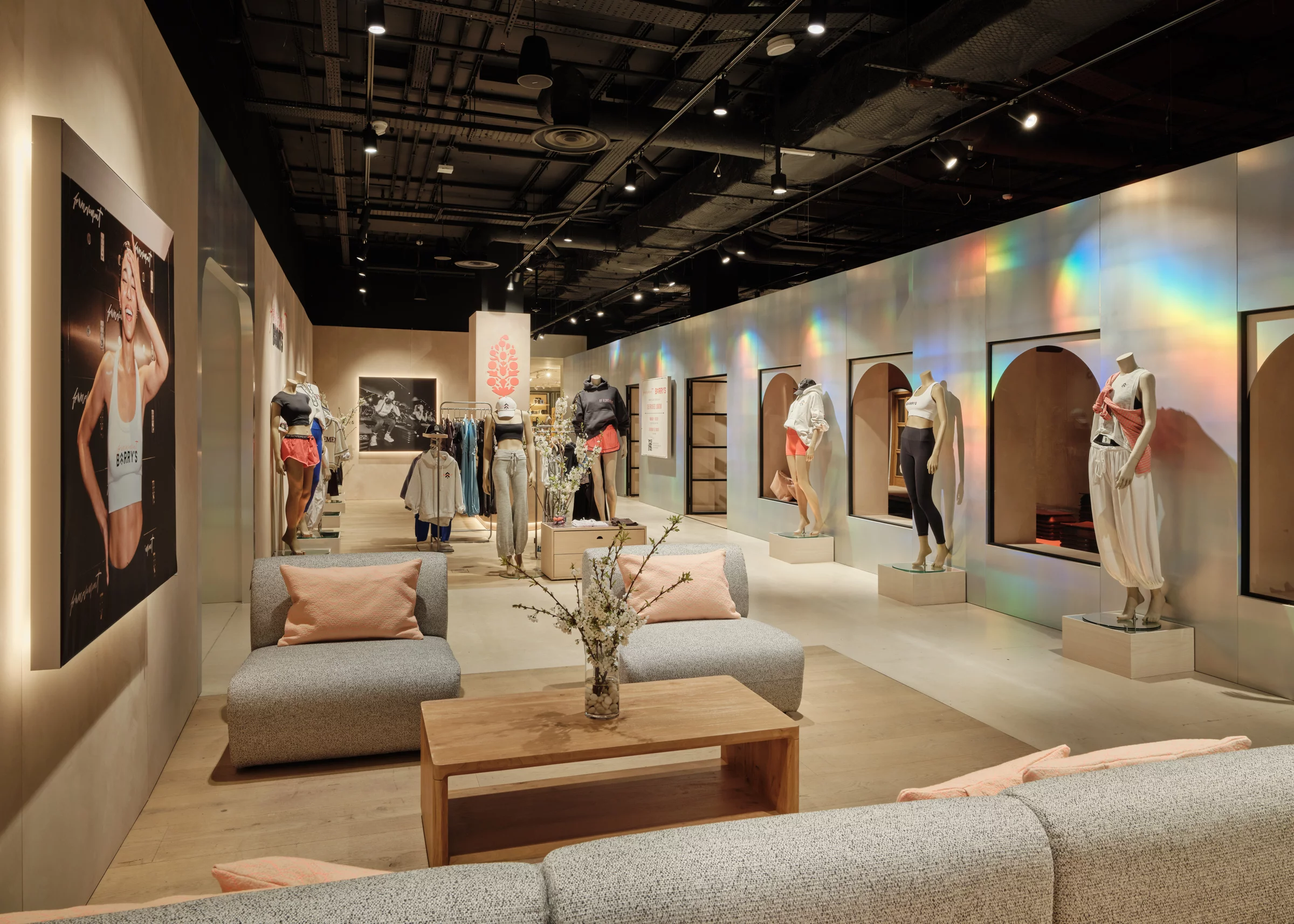
FP Movement x Barry’s Bootcamp, Selfridges, London – design, production and installation by Pardgroup
Beyond Home and Work
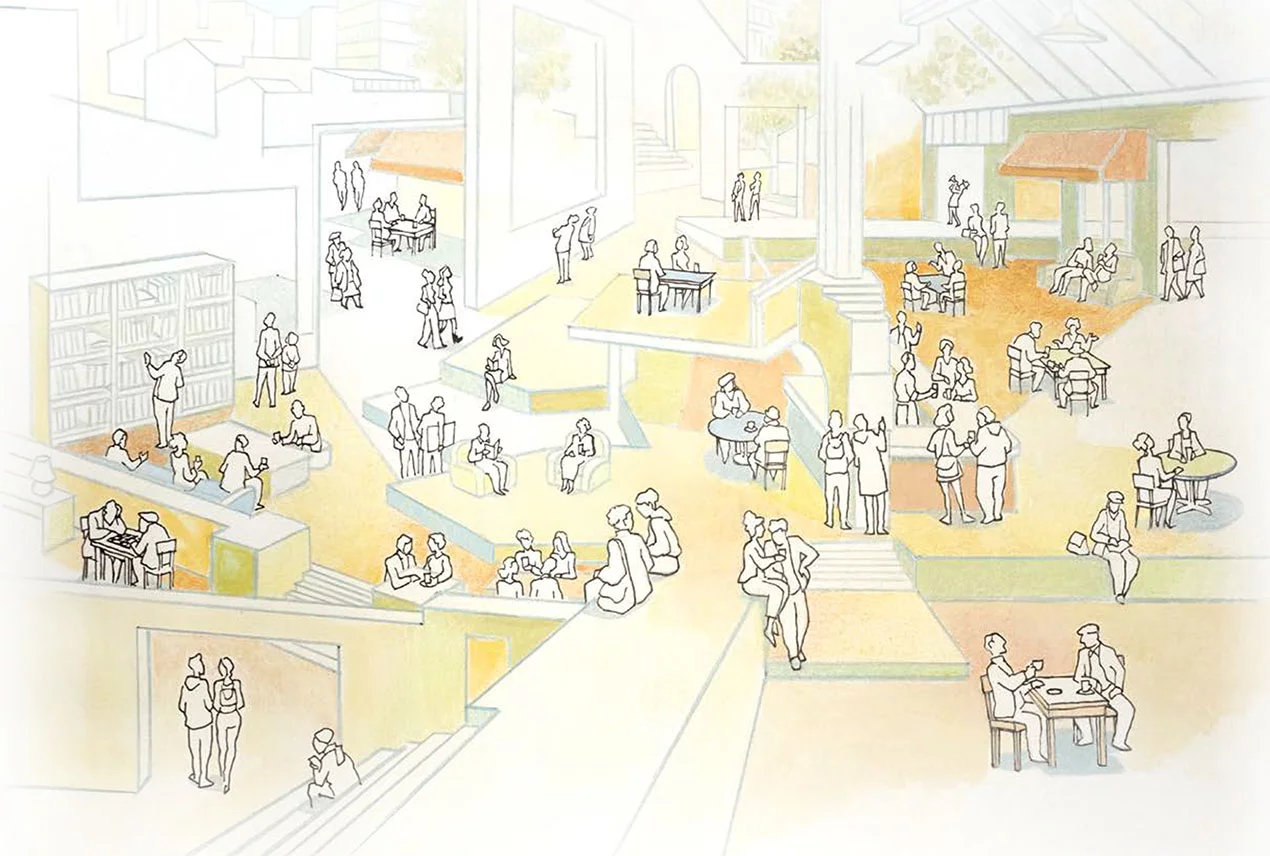
This is where the idea of the “third place” comes in. Originally used to describe social spaces outside home and work – cafés, libraries, parks and community meeting points – the concept is now finding its way into retail. The most interesting stores are becoming places to meet, participate, learn, exercise and socialise.
The product is still part of the experience. But it is no longer the whole experience.
When Retail Becomes Participation
Consider the FP Movement x Barry’s Bootcamp pop-up at Selfridges in London.
At first glance, it was a retail space bringing together performance, design and brand identity.
But there was much more happening inside. Visitors could book workouts and yoga sessions, turning the pop-up into an active meeting point for the brand’s community.
People weren’t simply walking in to browse: they were there to participate.
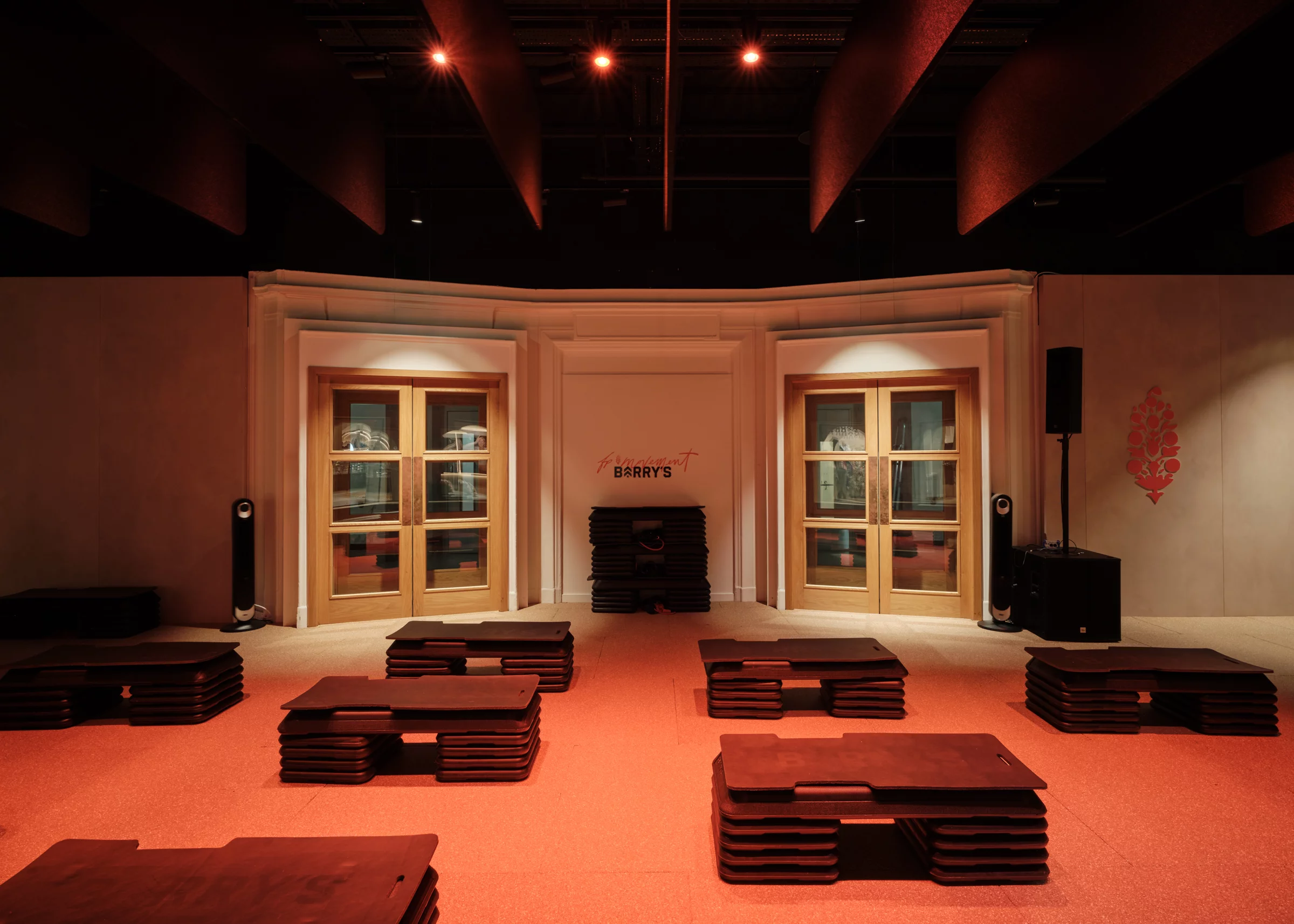
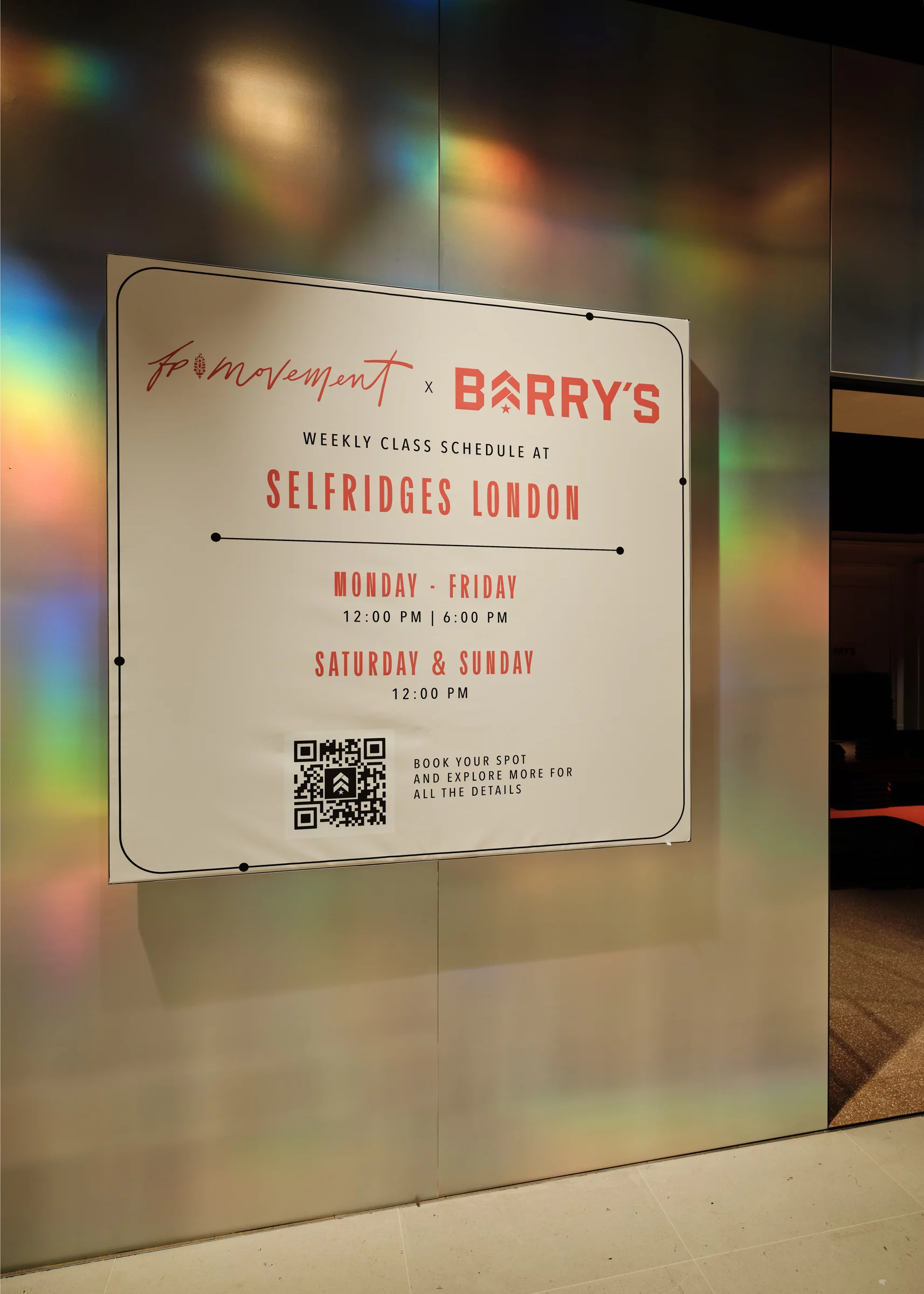
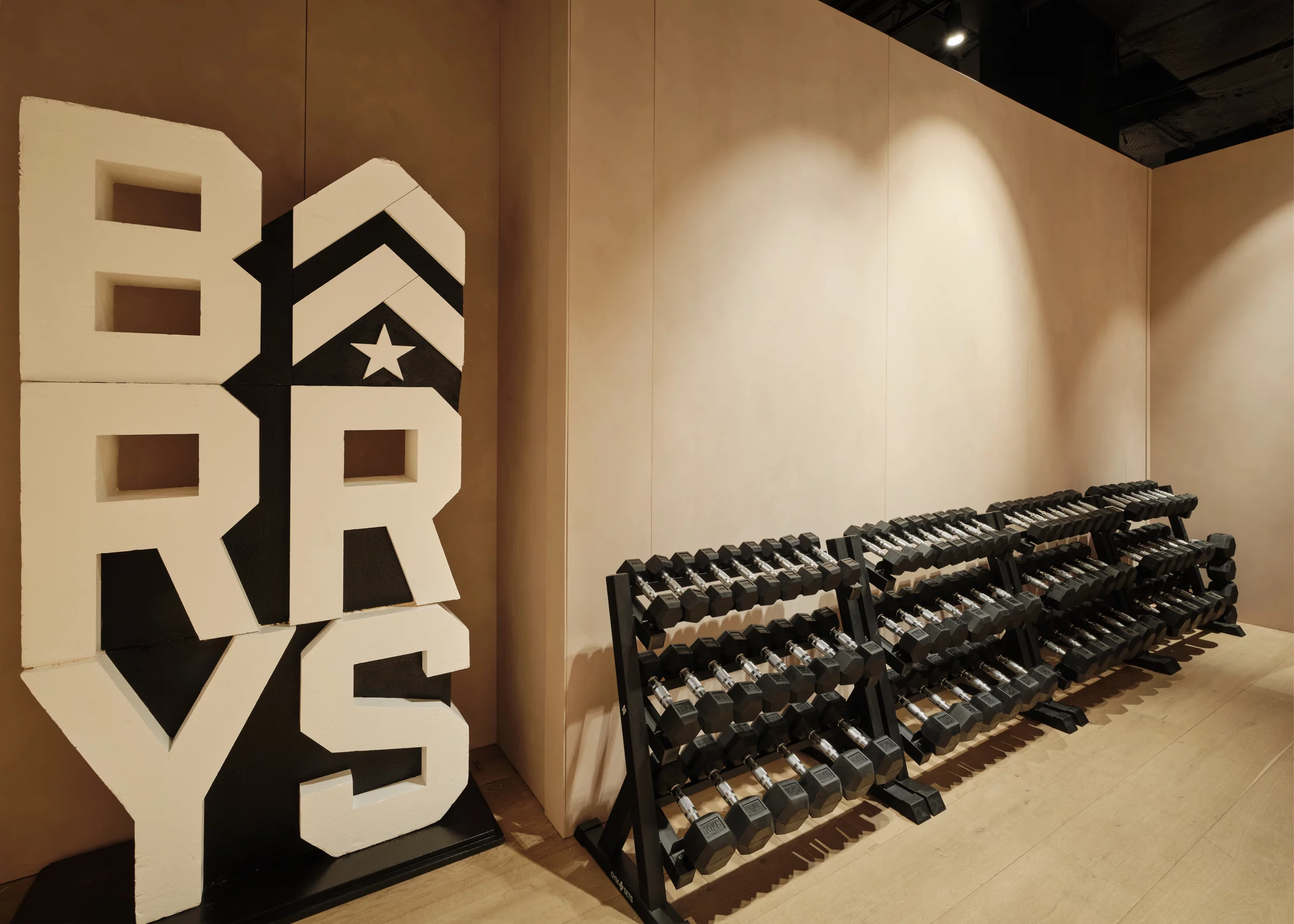
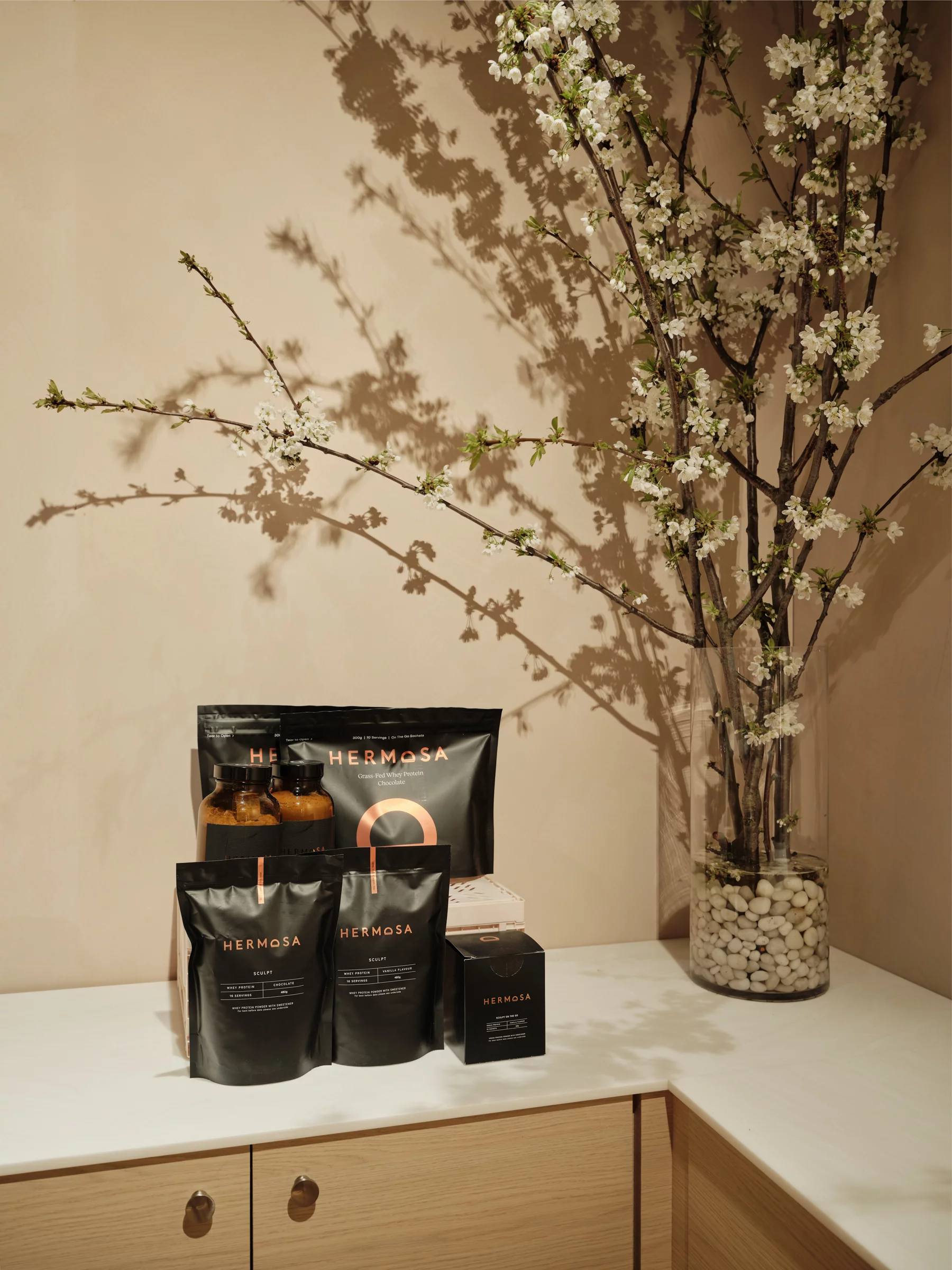
FP Movement x Barry’s Bootcamp, Selfridges, London – design, production and installation by Pardgroup
The product became part of a wider lifestyle experience, while the store became the setting for an activity people already valued. And that changes the relationship with the brand.
You don’t just visit the space. You become part of it.
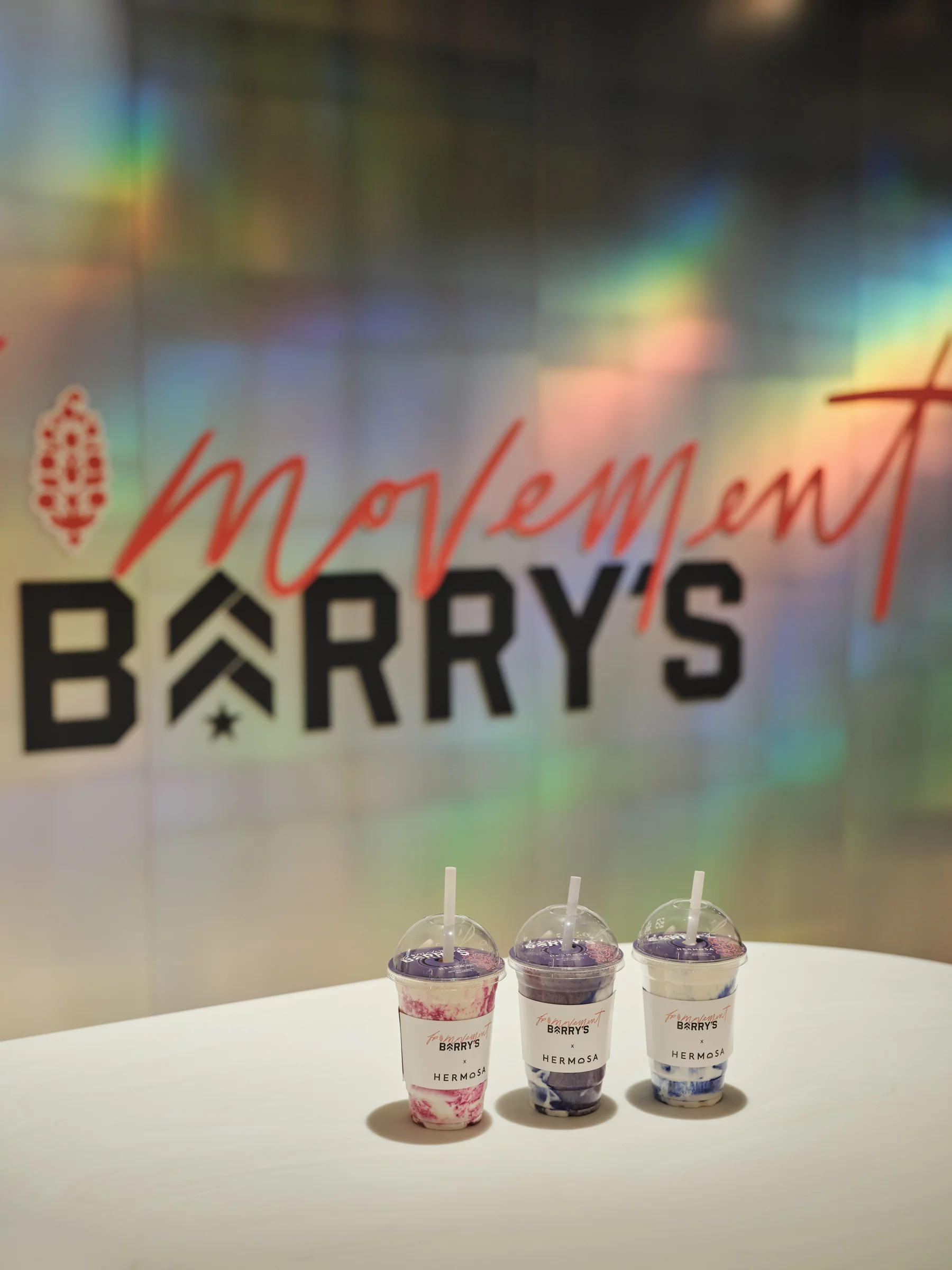
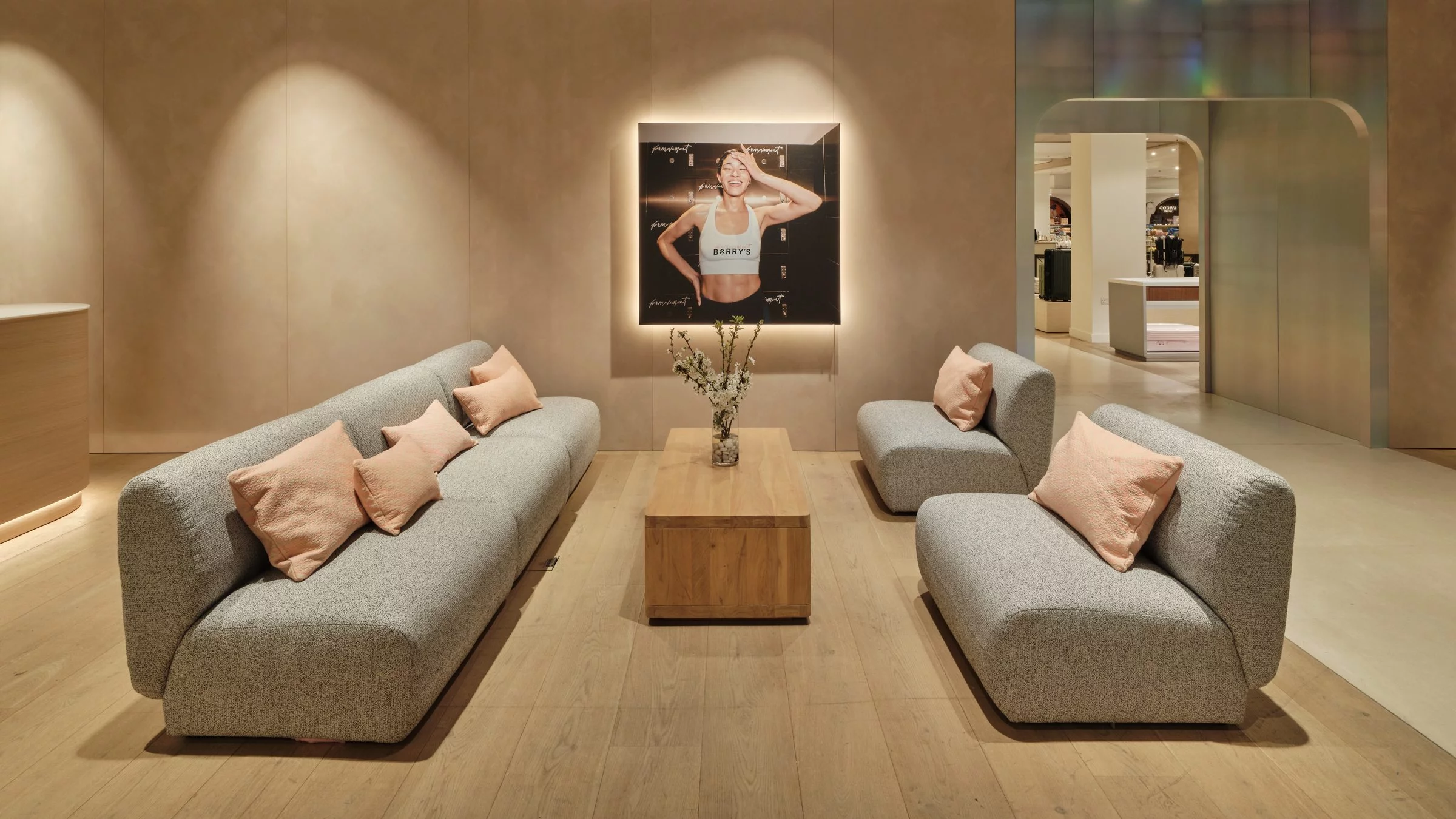
FP Movement x Barry’s Bootcamp, Selfridges, London – design, production and installation by Pardgroup
When Retail Becomes Hospitality
The same principle can take a completely different form. At the Calzedonia Tights Bar in Soho, New York, the experience centred on discovery, expertise and hospitality.
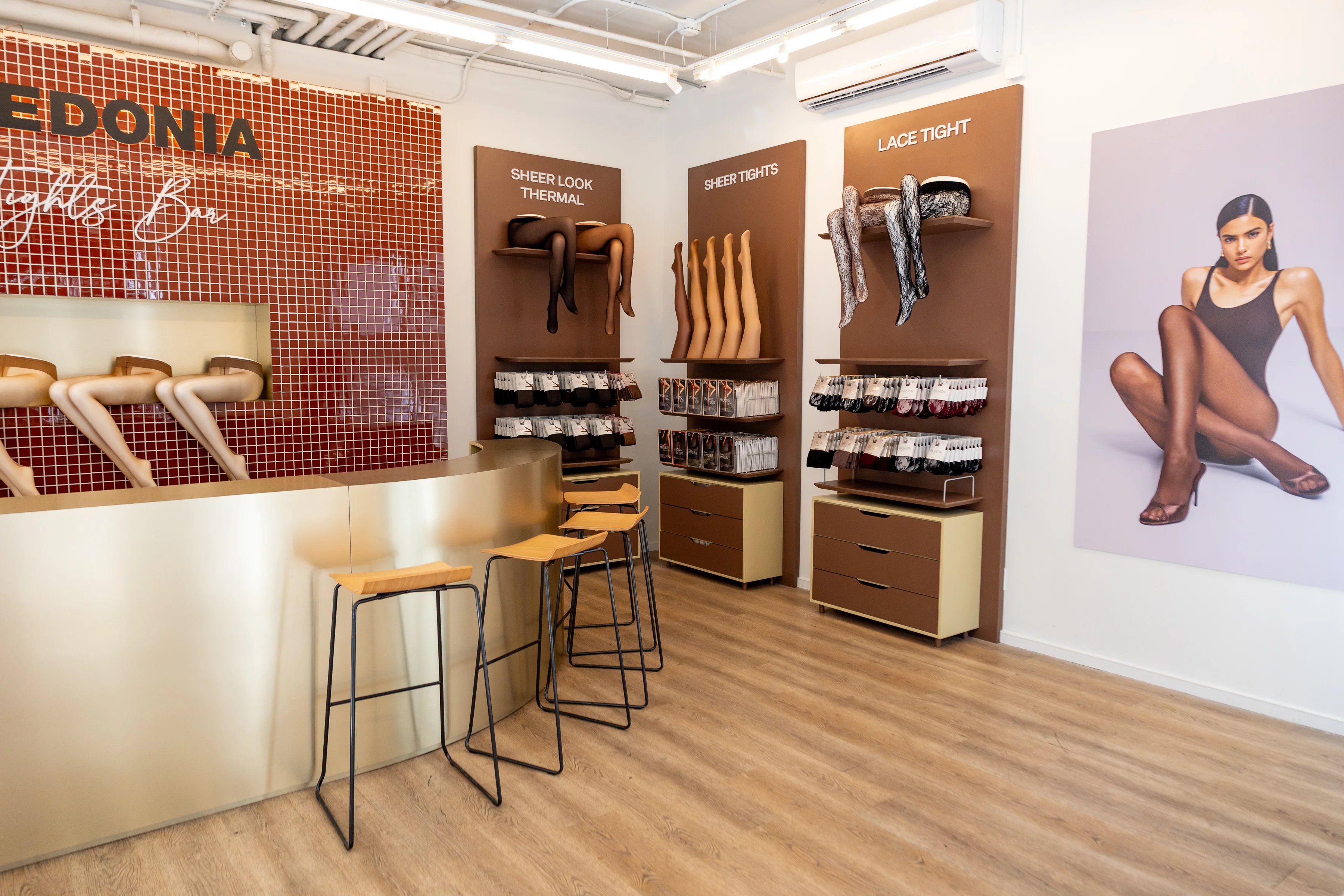
Calzedonia Tights Bar, Soho, New York, US – design, production and installation by Pardgroup
For a few exclusive days, 21 Spring Street became an immersive destination dedicated to Calzedonia’s tights collection. Visitors could explore different styles, discover the brand’s expertise through the Tights Expert experience – and stop for a coffee from The Elk.
It was a small addition, but an important one. Coffee gave people a reason to pause. To sit. To talk. To spend a little longer in the space. The experience became retail, discovery and hospitality in one place. And suddenly, the store was not simply saying: “Come in and shop.” It was saying: “Come in. Stay a while.”
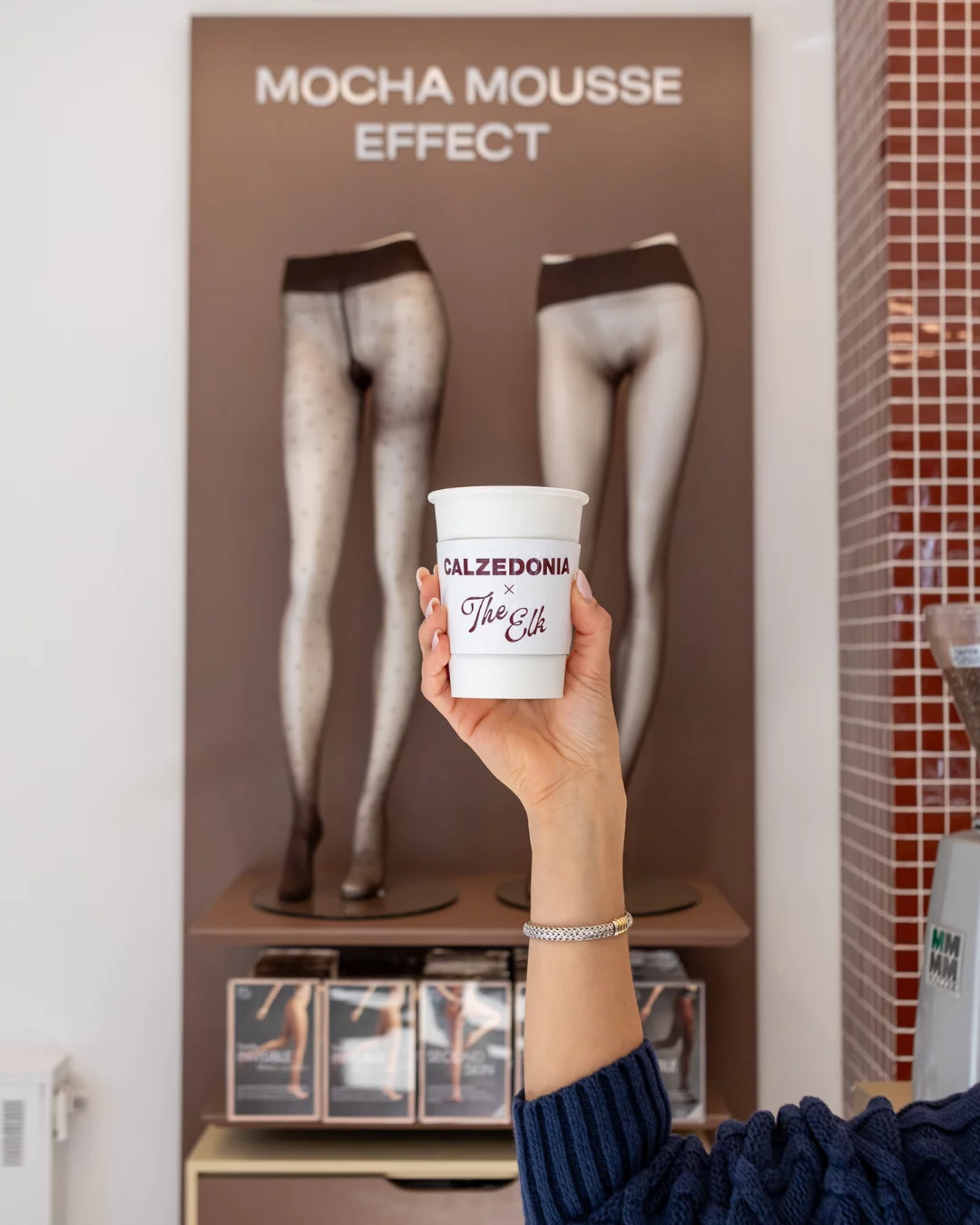
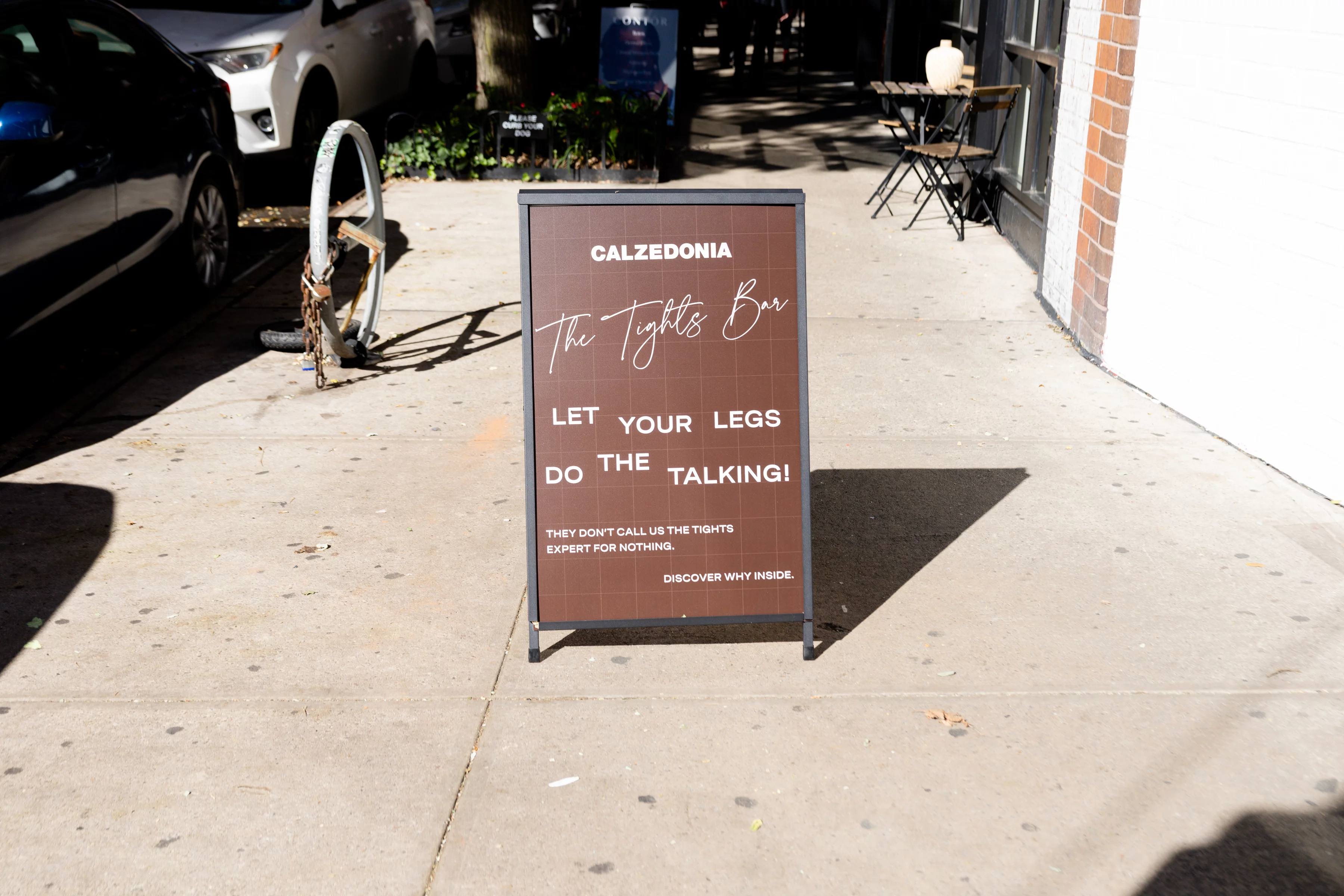
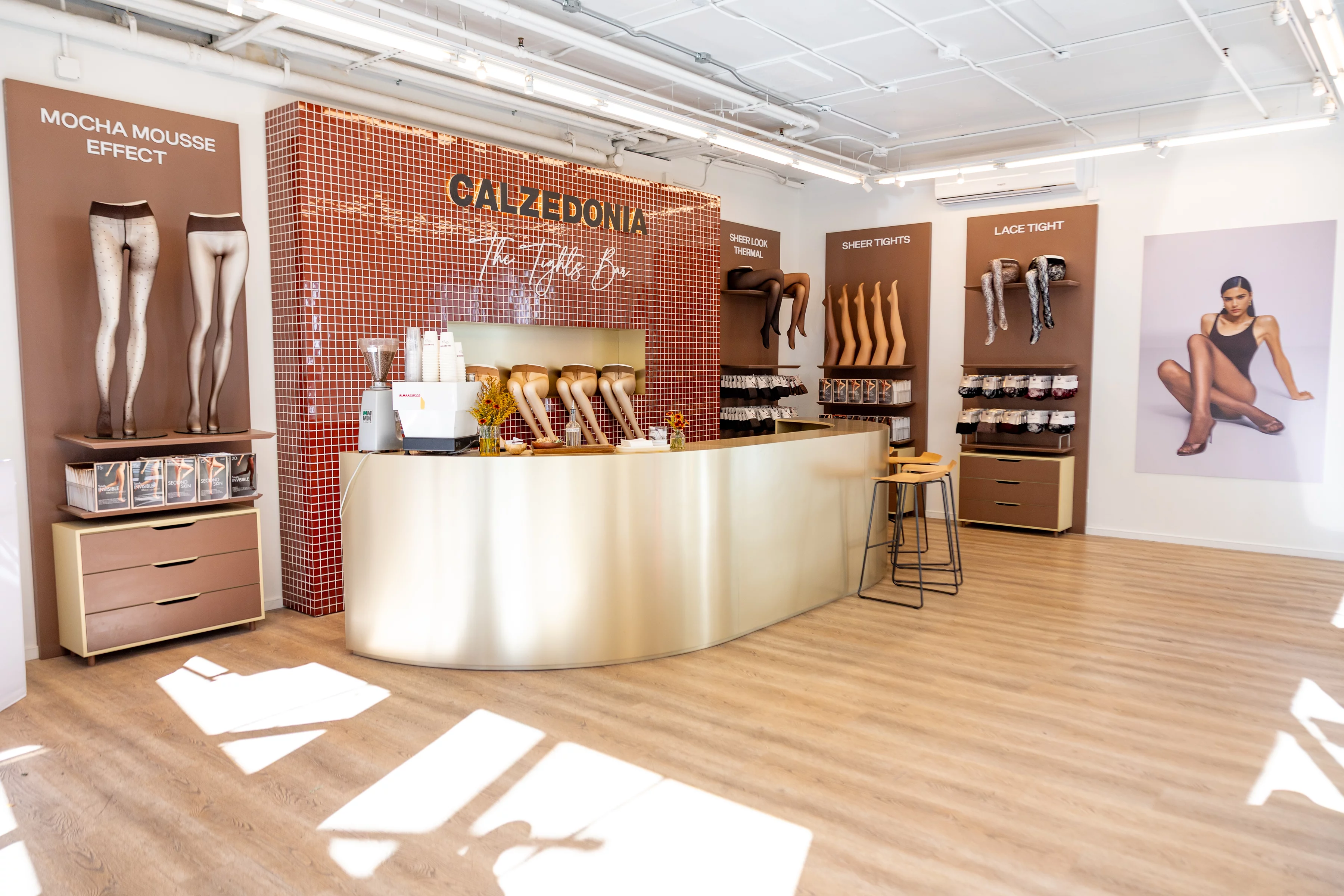
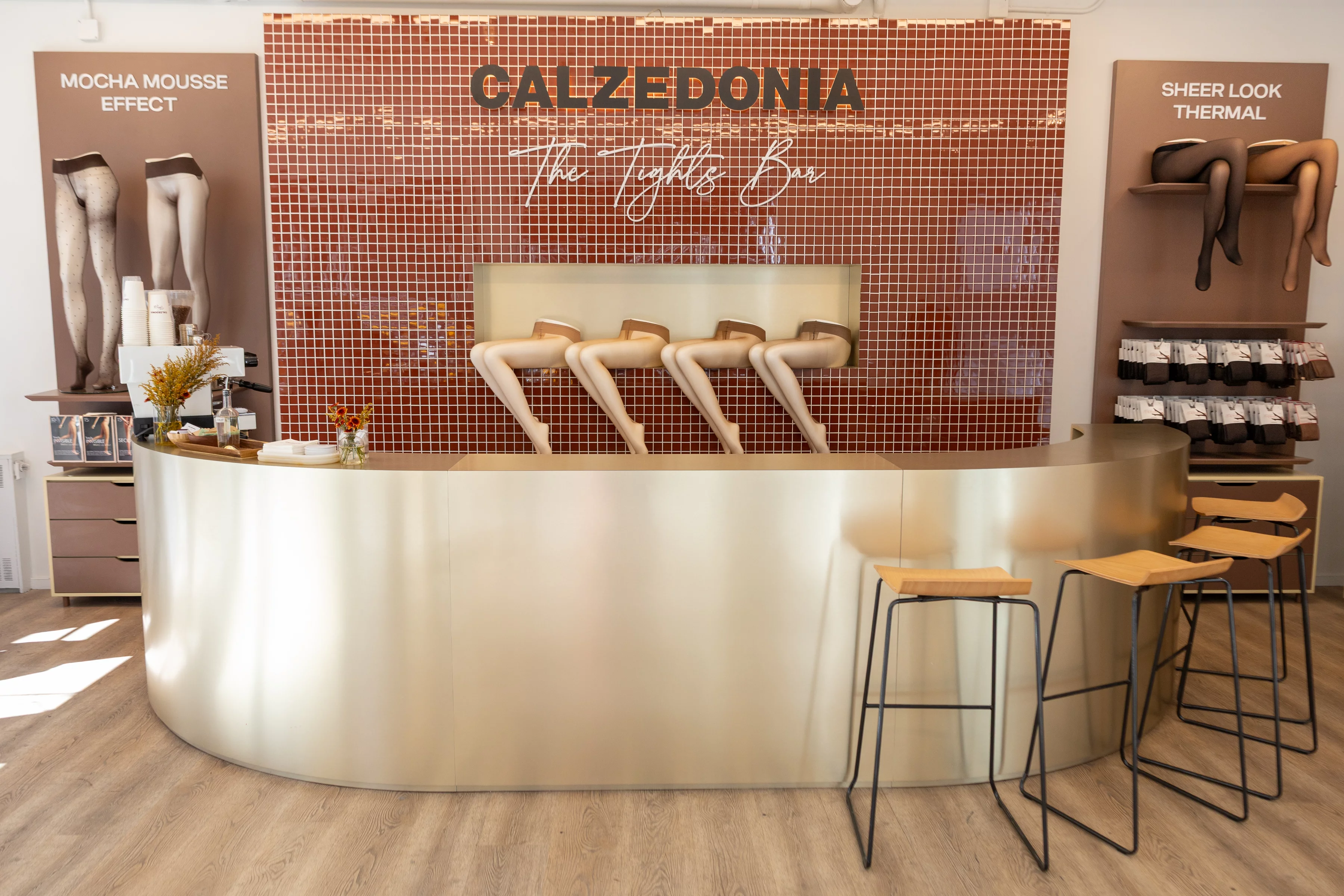
Calzedonia Tights Bar, Soho, New York, US – design, production and installation by Pardgroup
From Footfall to Belonging
These two projects are very different. One is built around movement and participation. The other around discovery and hospitality. But they share the same underlying idea: the physical space is designed around the person, not just the product.
That is where the concept of the “third place” becomes particularly interesting for retail. Because creating a destination is not simply about adding more experiences. It is about creating a reason to return. An event can generate attention for a day, a recurring activity can become part of someone’s routine. A place that people associate with a community can become part of their lifestyle. The strongest “third places” are therefore not necessarily the most spectacular. They are the ones people come back to.
Designing for Time
This shift changes the brief for physical retail. If a store is designed primarily around transaction, the priorities are familiar: visibility, circulation, product presentation and conversion. But if the goal is to make people stay, the questions become different.
Where do people gather? Where can they sit? Where can an activity happen? How can the space adapt from retail to an event? How can design encourage interaction?
Designing for dwell time is different from designing for footfall.
And that distinction may become increasingly important as brands rethink the role of their physical spaces.
Source: UNESCO Courier
Global Brands, Local Places
There is one more challenge: communities are local. A global brand may have the same identity in London, New York or Milan, but the way people connect with it will always be shaped by the culture and community around them.
A successful “third place” cannot simply be copied and pasted from one market to another.
It needs to feel local. Digital channels can make a brand global. Physical spaces can make it feel like it belongs.
The Pardgroup Perspective
The rise of the “third place” does not mean every store needs a café, a gym or a packed events calendar. It signals a broader shift in the role of physical retail: from a place designed primarily for transactions to a space designed around experience, interaction and connection.
From performance and wellness to hospitality and discovery, the most compelling retail environments are increasingly built around what people do, not just what they buy. They give people a reason to pause, participate and spend time with a brand.
At Pardgroup, this is a shift we see across the projects we deliver. When strategy, design and execution come together, a physical space can become more than a point of sale. It can become part of people’s routines, their experiences and, ultimately, their relationship with a brand.
A place people remember. A place they return to. A place they want to be.