From American suburbs to Europe’s most exclusive destinations, brands are rethinking where to establish a presence, how to reach new customers and what role physical spaces should play in their growth strategies.
Luxury is on the move. But where are the opportunities today?
For decades, luxury brand growth has been closely tied to securing the most prestigious locations: the shopping streets of major capitals, the most exclusive retail districts and destinations that attract an international clientele.
Today, however, things are changing. Alongside traditional metropolitan boutiques, some brands are exploring new territories, responding to demographic shifts, changing shopping habits and the evolving geographical distribution of wealth.
In the United States, Hermès offers a significant example of this evolution, with a strategy aimed at reaching customers beyond major urban centres. This raises a broader question: what if the future of retail expansion depended not only on securing the most prestigious locations, but also on identifying where new pockets of demand are emerging?
Hermès and the new geography of American luxury
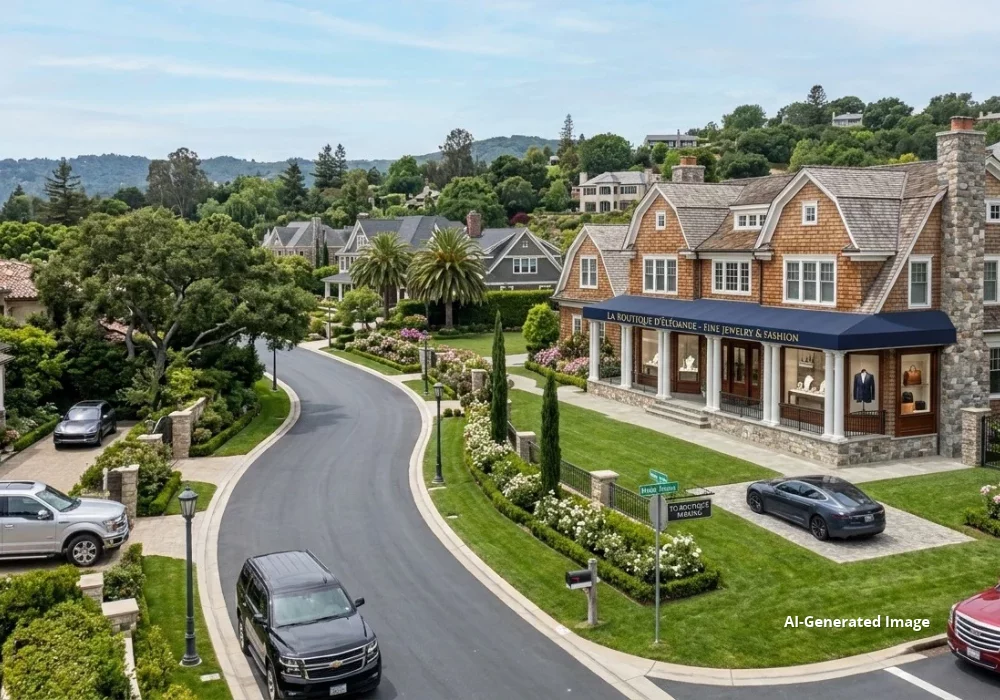
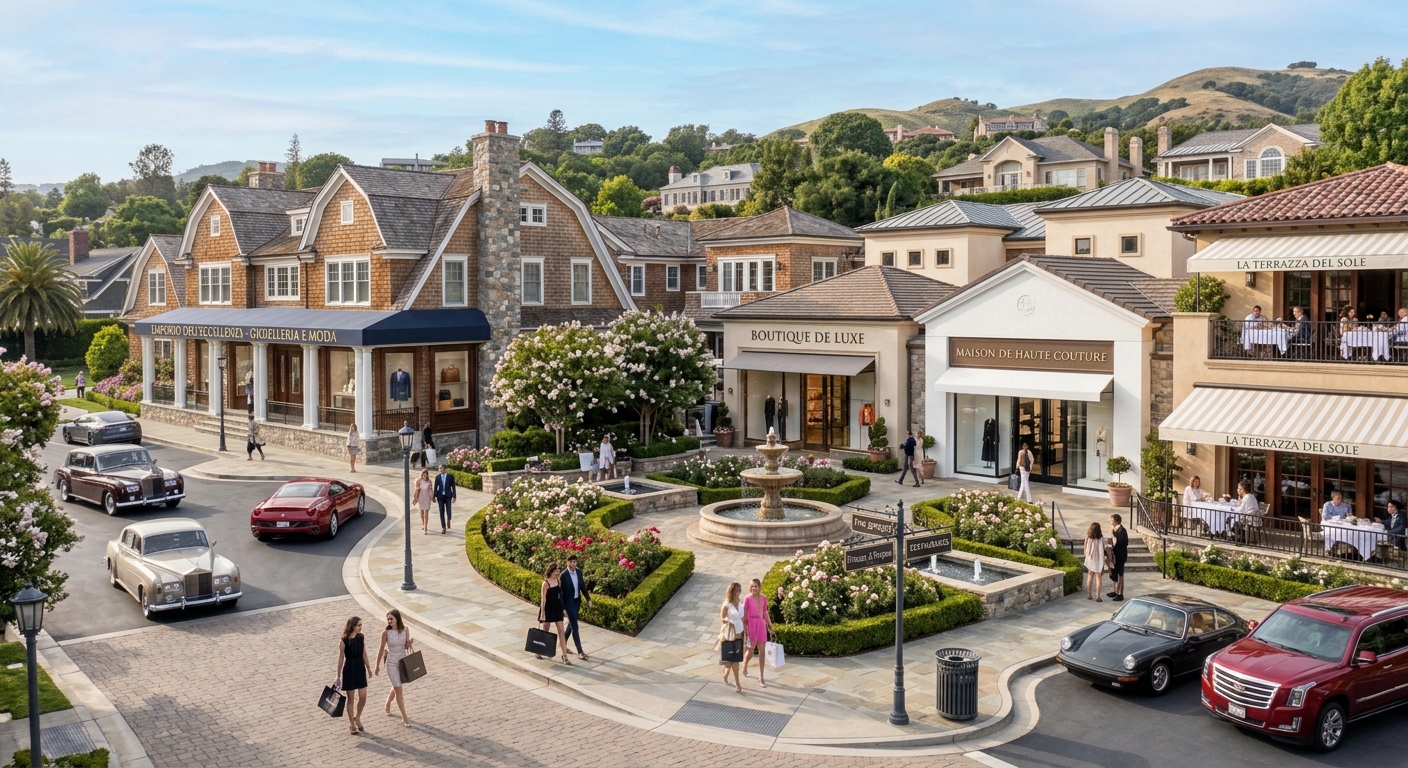
The French luxury maison Hermès is expanding its presence in the United States, looking beyond traditional luxury destinations such as Manhattan and Beverly Hills to reach affluent suburbs and growing cities.
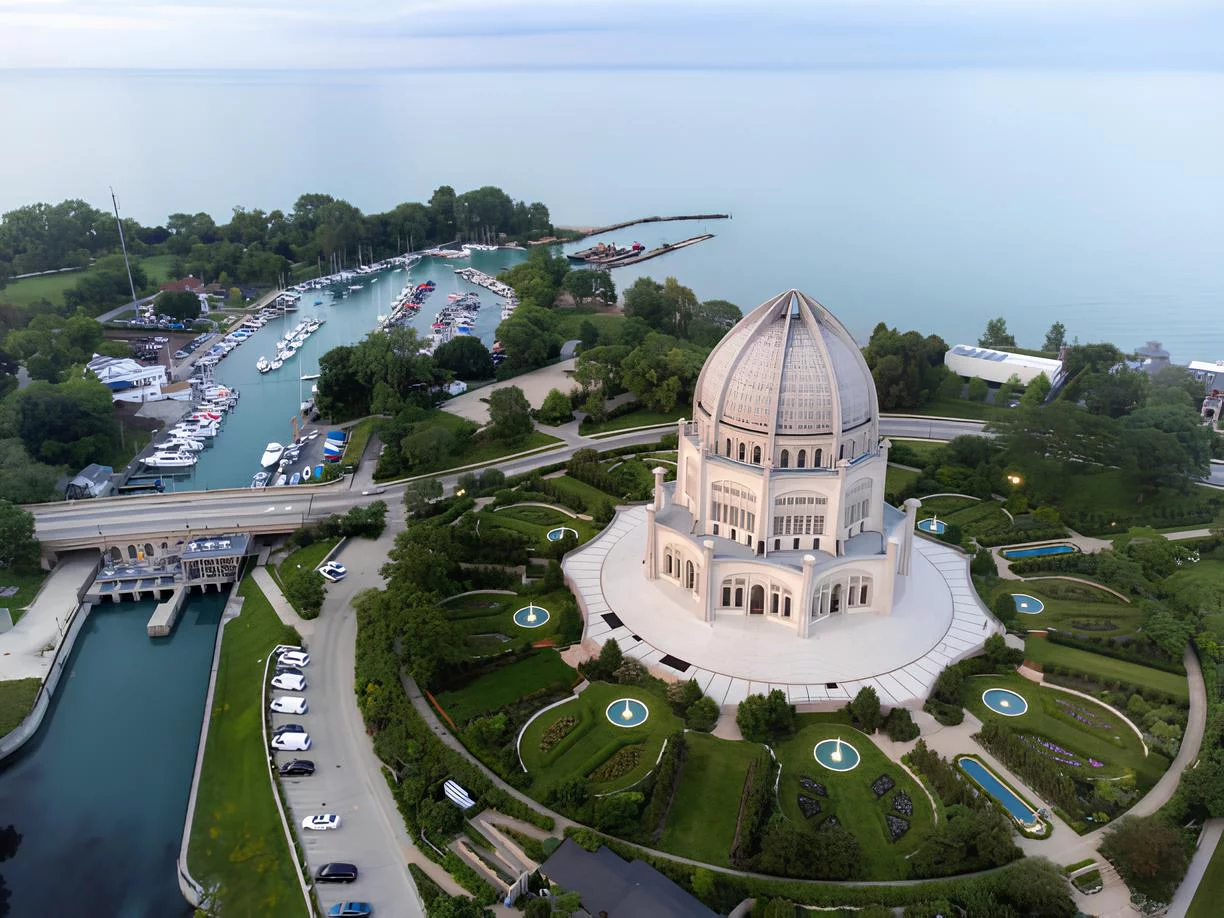
Wilmette, in the Chicago metropolitan area, is one of the most notable examples. Other locations include Short Hills, in New Jersey, and cities such as Nashville and Austin, where a high-spending customer base offers new opportunities for growth.
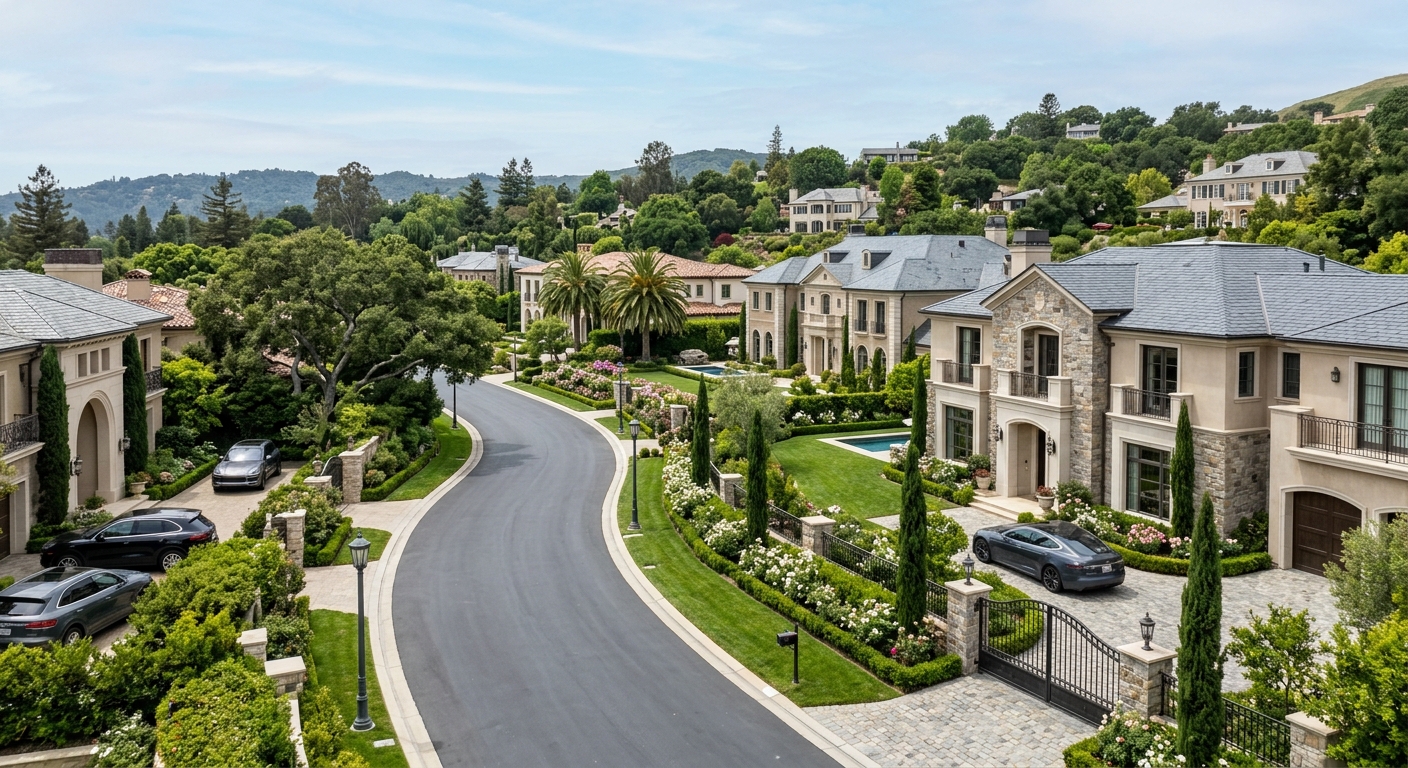
This strategy reflects a broader shift in the geography of the American economy, accelerated by the pandemic. The rise of remote and hybrid working, combined with the migration of families and professionals to suburban areas and secondary cities, has contributed to a redistribution of population and spending power. In several markets, some demand has consequently shifted away from traditional metropolitan retail districts, opening up new opportunities for high-end retail.
For brands, the challenge is to understand where these new pockets of demand are emerging and how to reach them most effectively.
Data is playing an increasingly important role in this process. Analysing where customers live, their postcodes, online purchasing patterns and the demographic characteristics of different areas can help identify promising markets and assess where a new boutique could meet demand that is not yet adequately served.
This does not, however, mean replicating an existing model in a new location. Hermès’ suburban boutiques are designed to fit into their local surroundings and complement, rather than duplicate, the offer of major luxury destinations.
The product selection and in-store experience can be tailored to the characteristics of the neighbourhood and the needs of local customers, with an offer that places particular emphasis on categories such as ready-to-wear and home accessories. The brand’s boutiques in major cities, meanwhile, retain a central role in presenting its most iconic offerings.
This differentiation allows the brand to expand its presence without simply transferring the same product range to another location. At the same time, it helps reduce the risk of stores competing directly with one another and cannibalising sales.
The store thus becomes part of a more sophisticated network, in which each location serves a specific purpose aligned with the brand’s overall positioning.
Beyond Hermès: new opportunities in the American market
This evolution is not limited to the French luxury house. Several luxury brands are expanding their presence across the United States, exploring secondary cities, lifestyle districts and high-end shopping centres.
Nashville, Austin, Scottsdale and Charlotte are among the markets attracting attention from retailers; according to the latest reports from JLL and Colliers, these cities are recording the strongest retail real estate absorption rates of the past two years, fueled by local population growth that is outpacing the rest of the country by 2.5 times.
Retail destinations are evolving, too. In Wilmette, Plaza del Lago is developing a retail offer that brings brands such as Hermès, Thom Browne and Oscar de la Renta together with other premium and lifestyle labels. The project demonstrates how a neighbourhood shopping centre can evolve into a more diverse destination, combining shopping, services and leisure.
This is not necessarily a domino effect in which one brand automatically follows a competitor. Rather, it signals a broader transformation: brands are reassessing the geography of growth and their retail presence models, seeking to reach high-value customers beyond established destinations.
The challenge is to identify the markets with the greatest potential, understand the needs of local consumers and develop a presence that responds to those specific characteristics without compromising the brand’s exclusivity and consistency.
A different strategy for every market: the case of London
Hermès itself demonstrates that retail expansion does not follow a single, uniform direction.
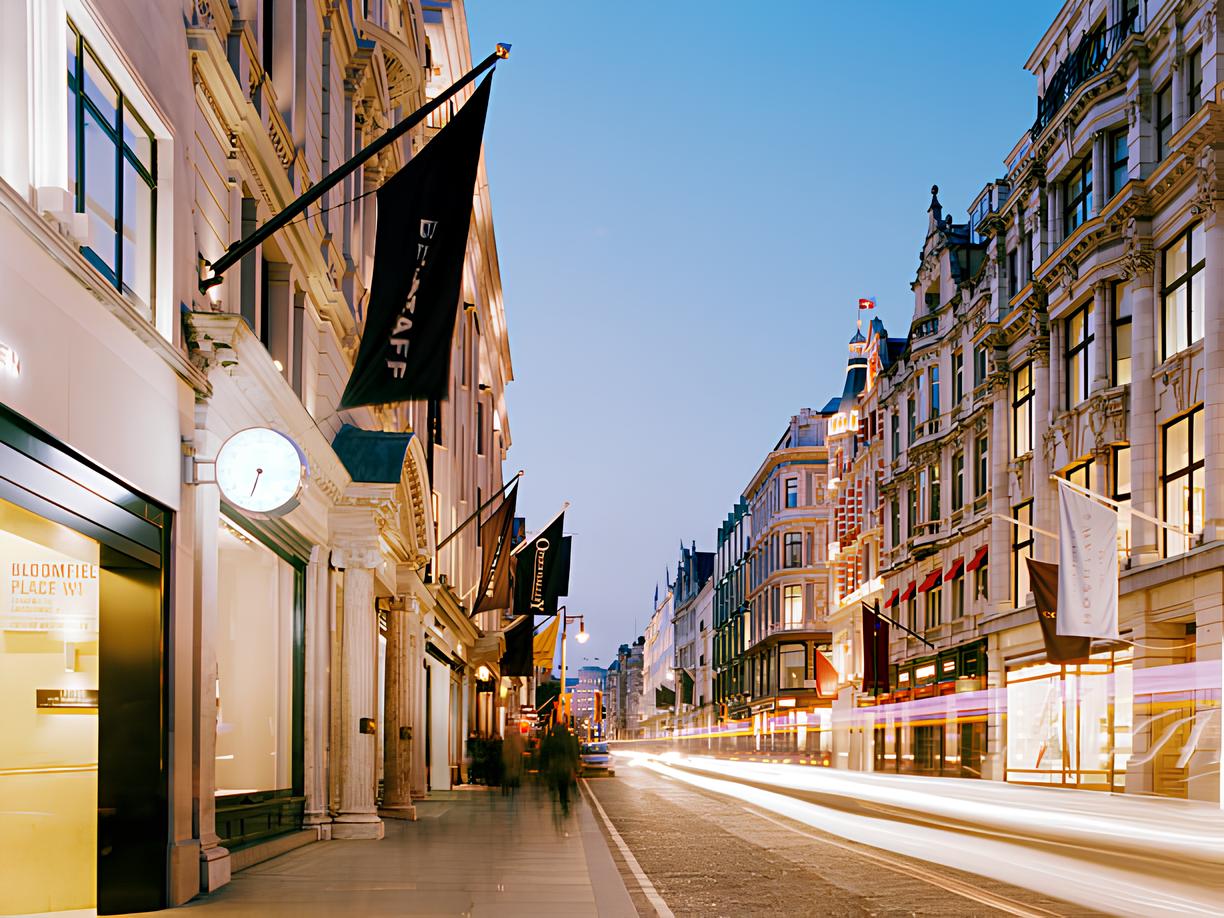
While the brand is moving closer to new customer bases in the United States through suburban boutiques, in London it has opened its new Maison on New Bond Street, strengthening its presence in one of the world’s most prestigious luxury destinations.
Here, the rationale is different: bringing activities previously spread across several locations together under one roof, in a larger space designed to deliver a richer experience and reinforce the brand’s presence in a strategic location.
At first glance, the two decisions might seem contradictory. In reality, they follow the same principle: retail strategy must adapt to the geography of demand and the characteristics of each market.
In one market, the opportunity may lie in reaching customers who do not regularly visit the main luxury shopping streets. It may involve strengthening a presence in an international destination that brings together visibility, tourism and high-end spending.
There is therefore no single expansion model that works everywhere. Growth may call for new store openings, investment in existing flagships or a combination of different formats, each with a clearly defined role within the retail network.
Europe: from capital cities to holiday destinations
While suburban expansion is one of the most visible growth avenues in the United States, Europe’s leading luxury shopping streets continue to attract strong interest.
According to Cushman & Wakefield’s European Luxury Retail 2026 report, 96 new luxury stores opened in 2025 across the 20 leading shopping streets analysed in 16 European cities, representing a 13% increase on the previous year. Eight of the 20 streets surveyed had a 100% occupancy rate.
Milan, Paris and London therefore continue to play a strategic role for international brands, which are investing in flagship stores, larger spaces and environments that express each maison’s identity through architecture, materials, service and storytelling.
But looking at Europe solely through its capital cities would mean overlooking another opportunity: reaching affluent customers in the places where they choose to spend their leisure time.
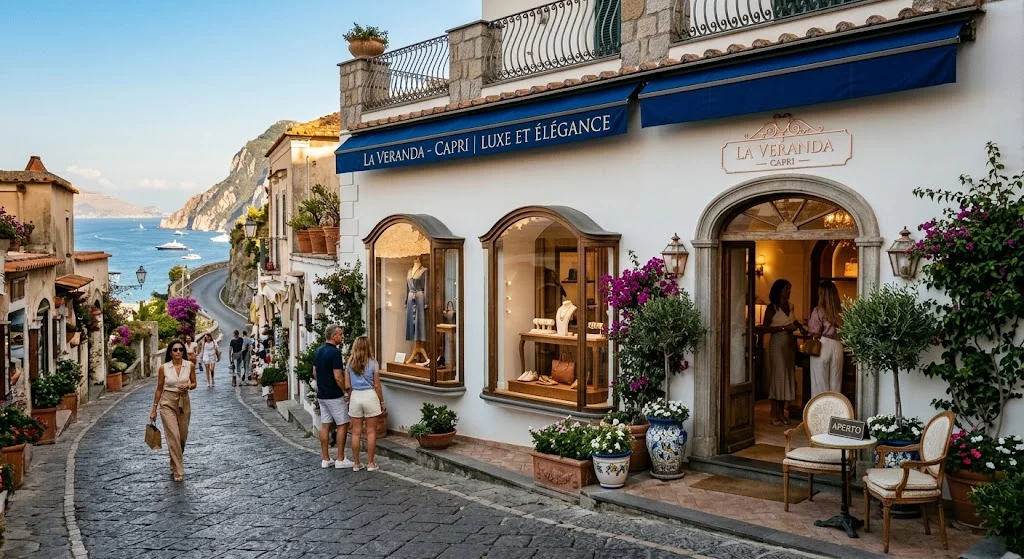
Capri, Saint-Tropez, Ibiza, Forte dei Marmi and the leading Alpine destinations become major draws for international, high-spending customers at certain times of the year. In these settings, brands can connect with consumers beyond traditional shopping districts through seasonal boutiques, pop-ups, installations and experiences linked to hospitality and lifestyle.
Projects such as Dior’s Dioriviera show how a maison can bring its world to exclusive destinations, adapting its expression to the local setting without losing sight of its identity.
The rationale differs from that of the American suburbs. The aim is not necessarily to follow customers to the places where they live permanently, but to reach them when they travel, unwind and are more receptive to brand-related experiences.
Proximity thus takes on a temporary, seasonal dimension: a presence shaped around tourist flows, shopping habits and the distinctive character of each destination.
This approach makes it possible to explore new opportunities for engagement without necessarily requiring a permanent investment, while strengthening the connection between product, place and experience.
From data to experience: the role of physical retail
Identifying a new market opportunity is only the first step. The real challenge is turning insights into a physical presence that creates value.
Analysing geographical data, purchasing behaviour and digital interactions can help brands understand where potential demand exists. Turning that opportunity into a tangible relationship, however, requires an experience that reflects customer expectations, the local context and the brand’s identity.
In this landscape, temporary formats play a strategic role. Pop-up stores, installations and events can give brands the opportunity to explore new areas, assess audience response and gather valuable insights before committing to permanent investments.
A temporary store, for example, can help gauge interest in a particular market, test a concept and observe how customers interact with the brand in a new setting. It cannot replace a comprehensive assessment of the location and its commercial viability, but it can provide a practical way to reduce uncertainty and inform subsequent decisions.
This is precisely where strategy and execution need to work hand in hand. Assessing local opportunities, choosing the right format, designing the space, production, logistics and activation all contribute to turning a market insight into a real-world experience.
With its experience in developing and delivering retail and brand experience projects, Pardgroup can support brands throughout this process, helping them assess opportunities, identify solutions aligned with project objectives and turn strategy into a tangible physical presence. From temporary formats and installations to permanent retail spaces, every element needs to be designed around the market, the audience and the role the brand intends to play in that context.
The physical store is therefore more than a point of sale. It is a space where a brand comes to life, builds relationships and delivers an experience that goes beyond the product itself.
The Pardgroup Perspectives
The evolution of retail is not leading towards a single expansion model. On the contrary, it is making the ability to combine a global vision with an in-depth understanding of local markets increasingly important.
For some brands, this means reaching new residential communities. For others, it means strengthening flagship stores in international capitals or creating temporary experiences in the most sought-after destinations. In other cases, it may involve exploring secondary cities or testing formats that bring the brand closer to new audiences.
Data helps identify opportunities, but the ability to interpret them and translate them into physical experiences determines their potential.
The future of retail will depend not only on where brands choose to open their next store, but also on how well they understand their customers and create a meaningful presence in places where new opportunities for engagement are emerging.
Beyond location, competitive advantage will come from the ability to turn market knowledge into experiences that bring brands closer to people.