What makes people willing to pay more for a workout, a race or a sports club?
Increasingly, it is not the sport itself. It is everything that surrounds it.
The atmosphere. The people. The sense of belonging. The feeling of being part of something that reflects who you are or who you want to become.
From running clubs in city parks to boutique fitness studios, from cycling communities to padel clubs, sport is increasingly becoming a lifestyle.
And as the boundaries between sport, wellness, fashion and entertainment continue to blur, the experience around sport is becoming almost as important as the activity itself.
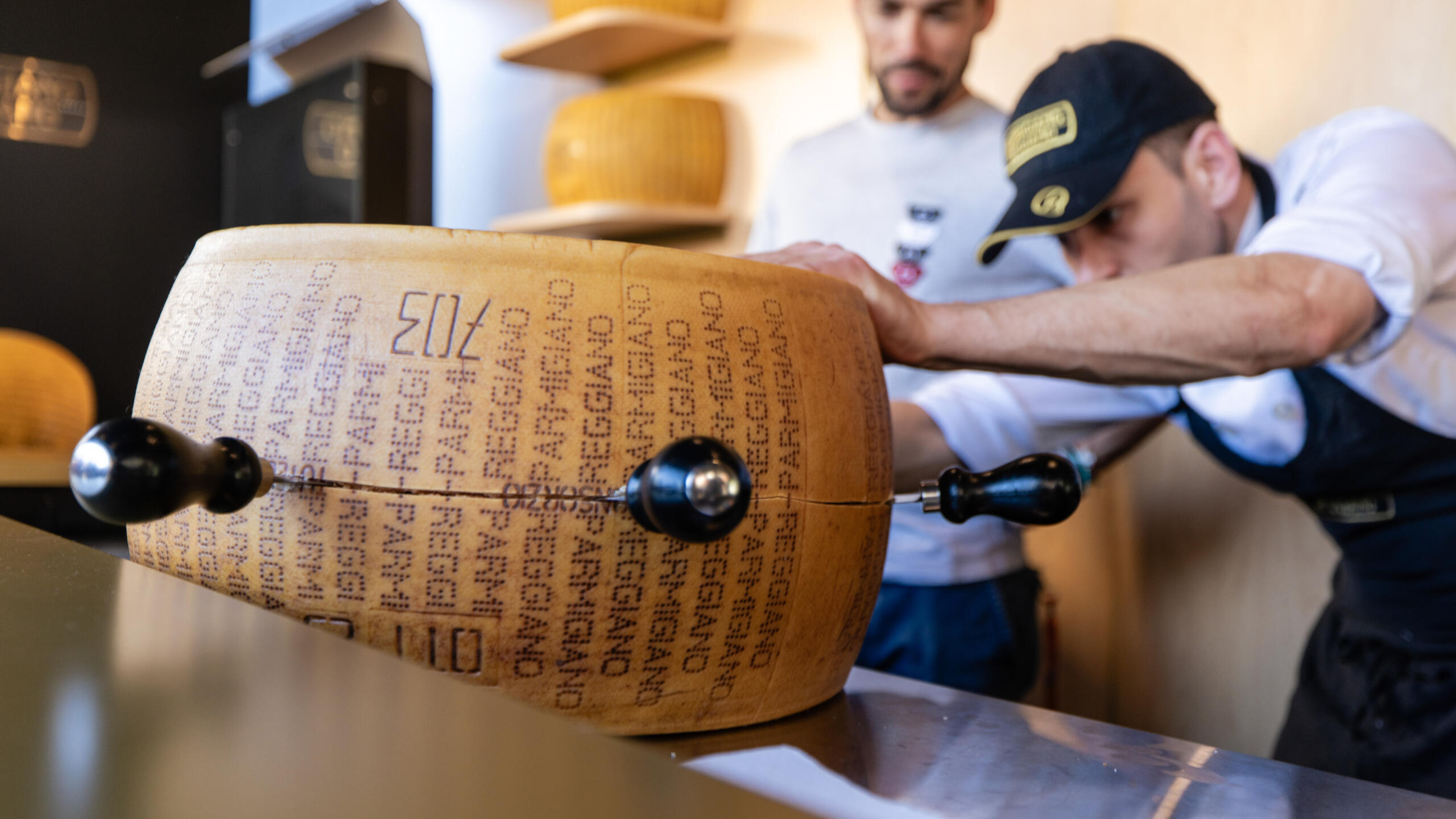
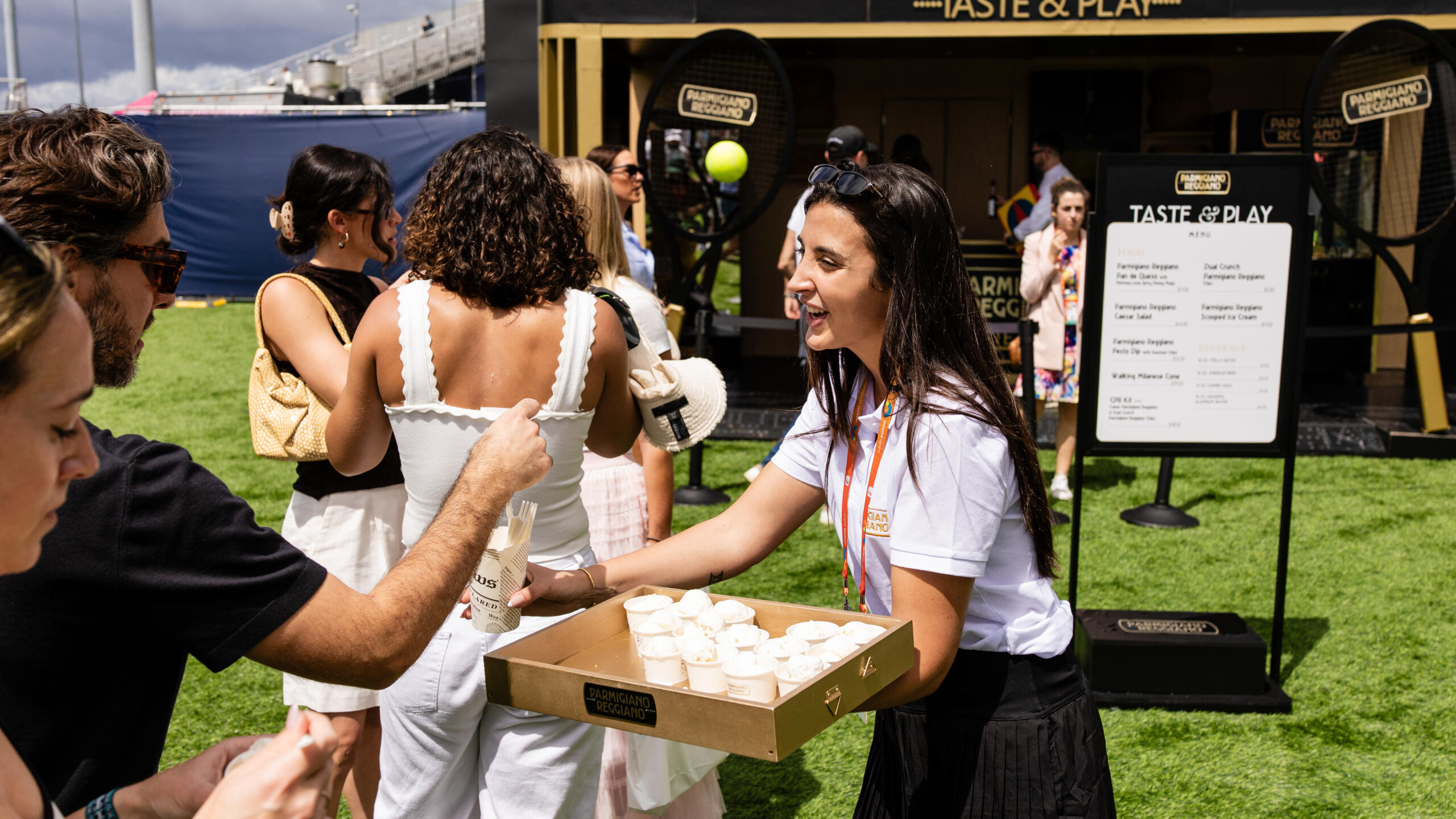
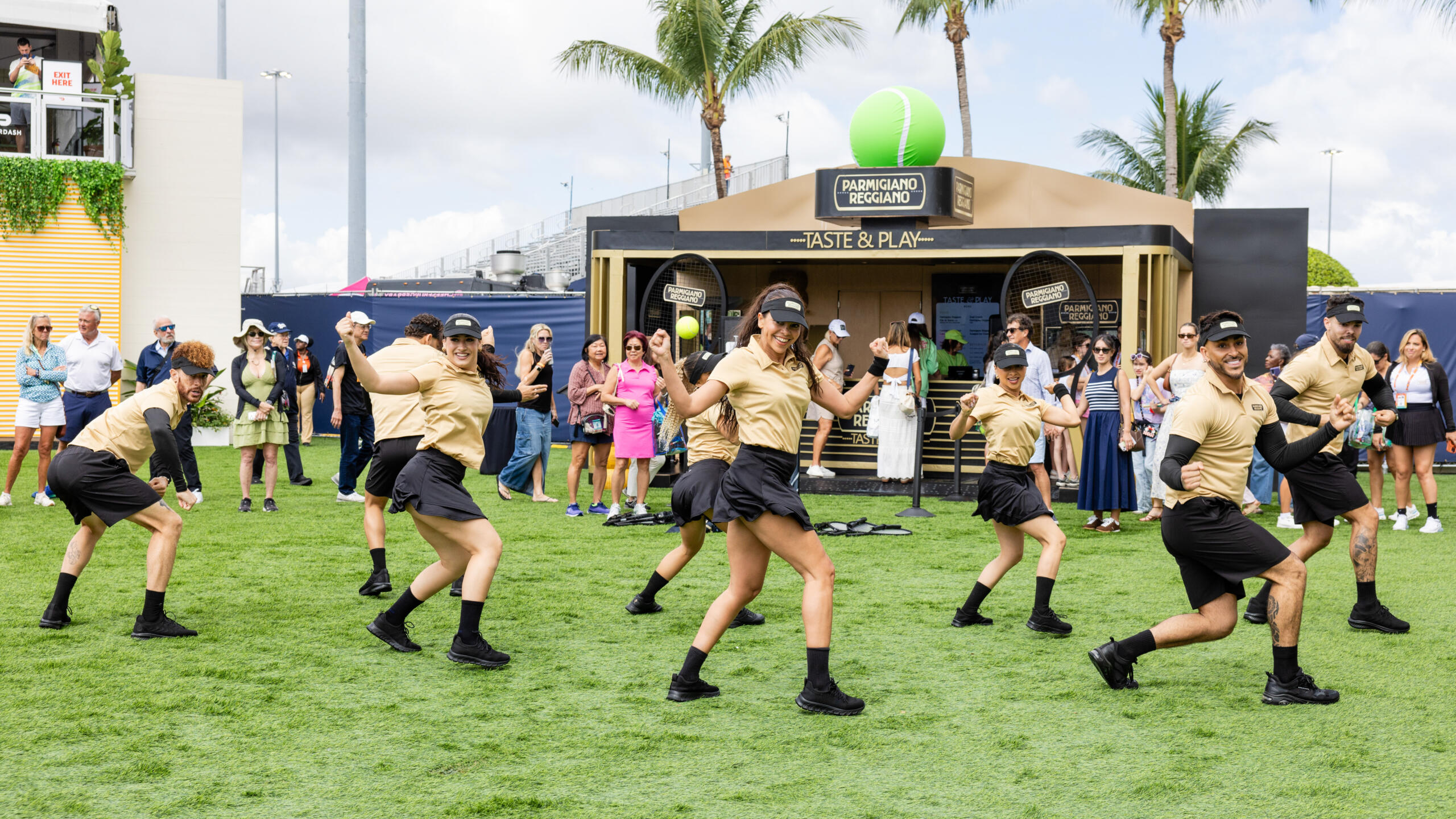
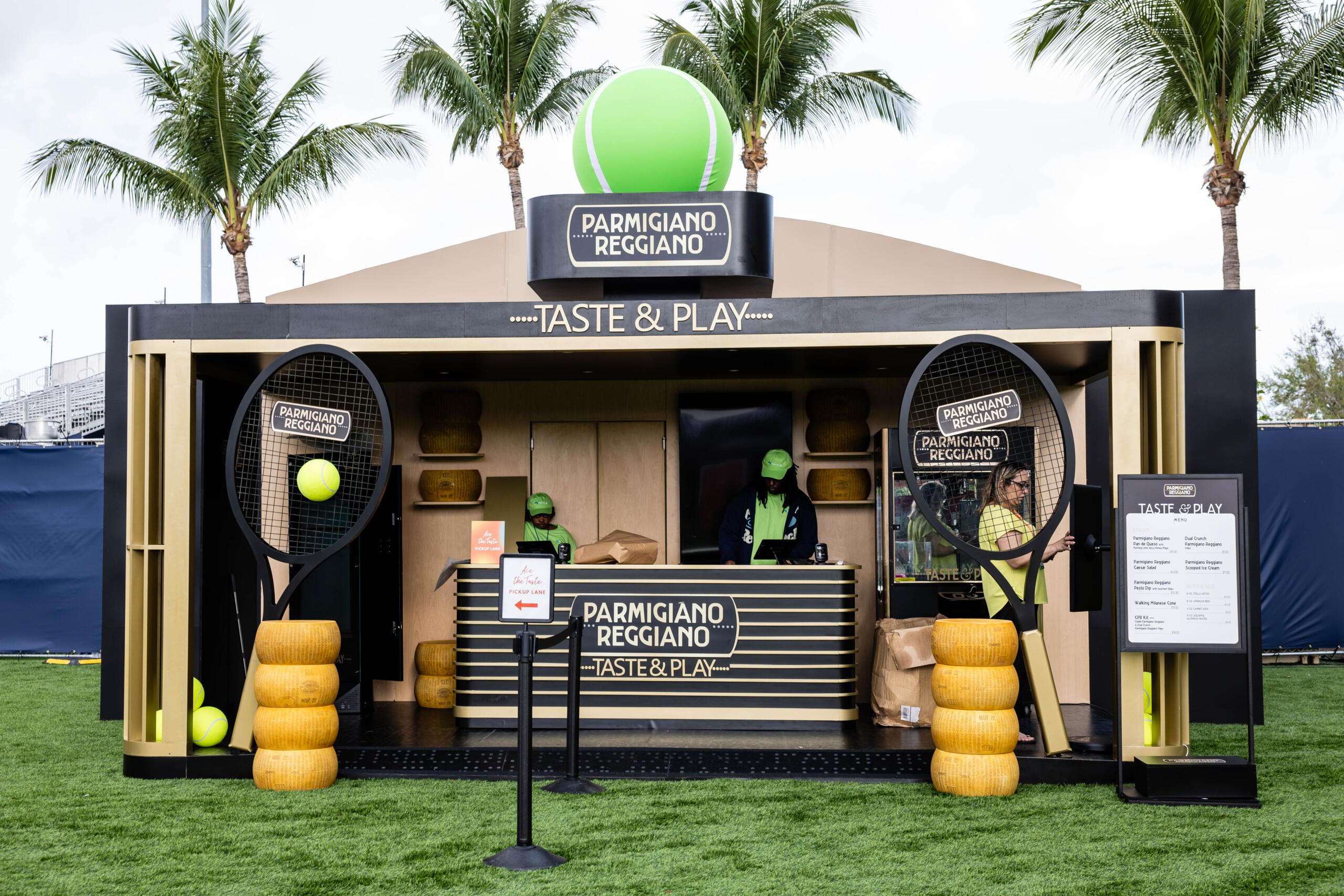
Parmigiano Reggiano, Miami Open, Hard Rock Cafè Stadium, Miami, US – Design, production, installation and Promoting by Pardgroup
More Than a Workout
Consider the rise of running clubs.
On paper, they are simply groups of people who run together.
In reality, they can be communities, social networks, lifestyle platforms and even cultural movements.
People join not only to improve their performance, but to meet others, discover new places, create routines and feel part of a shared identity.
The same applies to the new generation of fitness spaces.
Design, music, hospitality, community and atmosphere can transform a workout into something people actively choose to spend time and money on.
The value is no longer measured only by the physical benefit. It is measured by the quality of the experience.
This is an important shift for brands because it creates a new kind of consumer mindset: people are increasingly willing to invest in experiences that feel relevant, desirable and worth being part of.
And sport happens to be one of the environments where this behaviour is most visible.
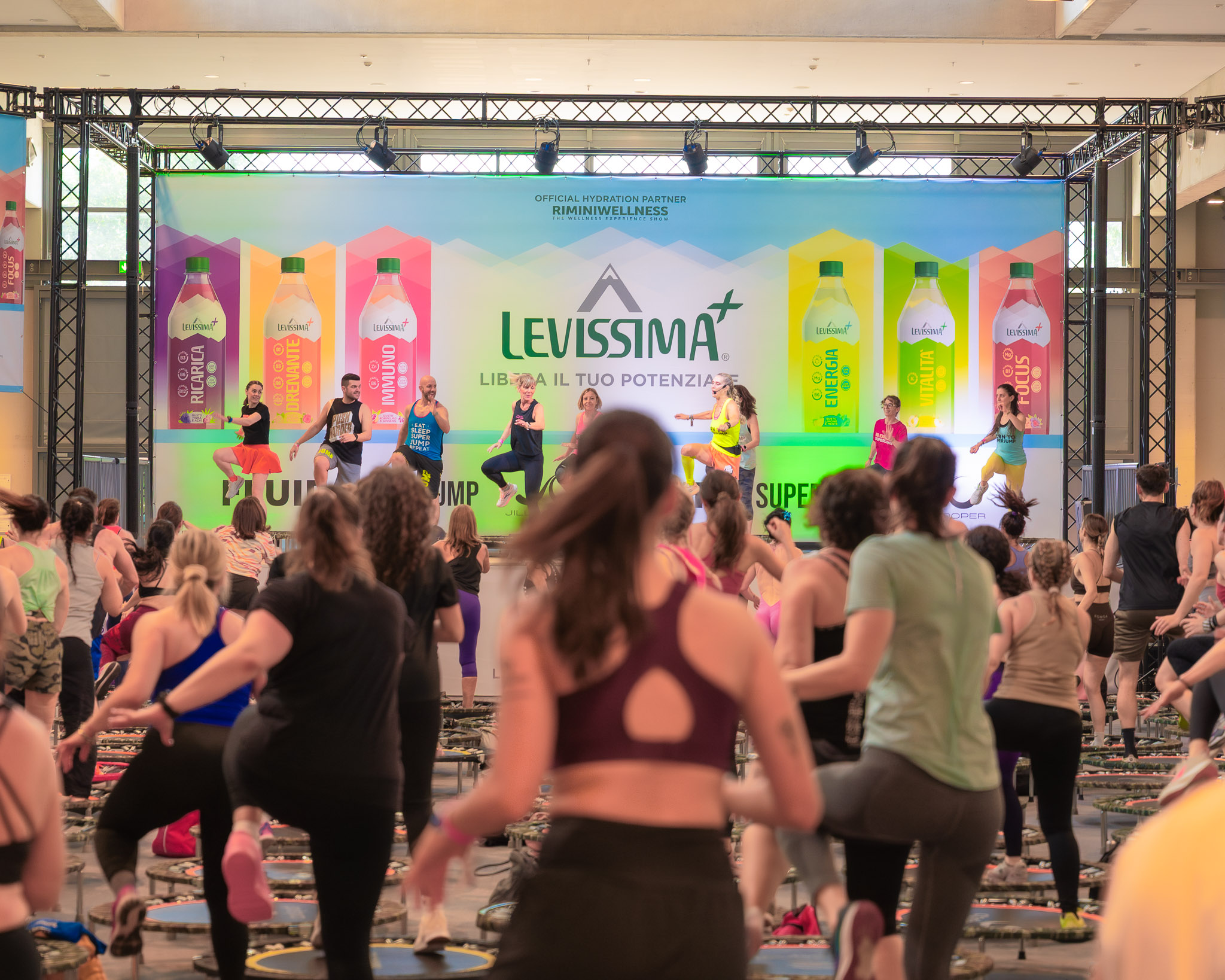
Levissima Rimini Wellness, Italy – Design, production, installation and Promoting by Pardgroup
A New Territory for Brands
For decades, sport has been a natural platform for brand visibility.
Logos on jerseys. Sponsorship deals. Stadium advertising. Official partnerships.
But today’s opportunity is becoming more nuanced.
Consumers do not necessarily want brands to simply appear in the places they care about; they want brands to contribute to those experiences.
Running provides a particularly interesting example.
The marathon itself may last a few hours, but the consumer journey can begin months earlier: training programmes, community runs, product launches, local events, social content and meet-ups.
Then comes race day, with cheering stations, hospitality, sampling, product experiences and branded spaces.
And afterwards, the experience continues through recovery events, celebrations, retail activations and online communities.
The event is no longer a single moment. It is an ecosystem.
This is where brands can really make a difference.
Not simply: How can we sponsor the event? But: How can we become part of the experience people are already choosing to invest in?
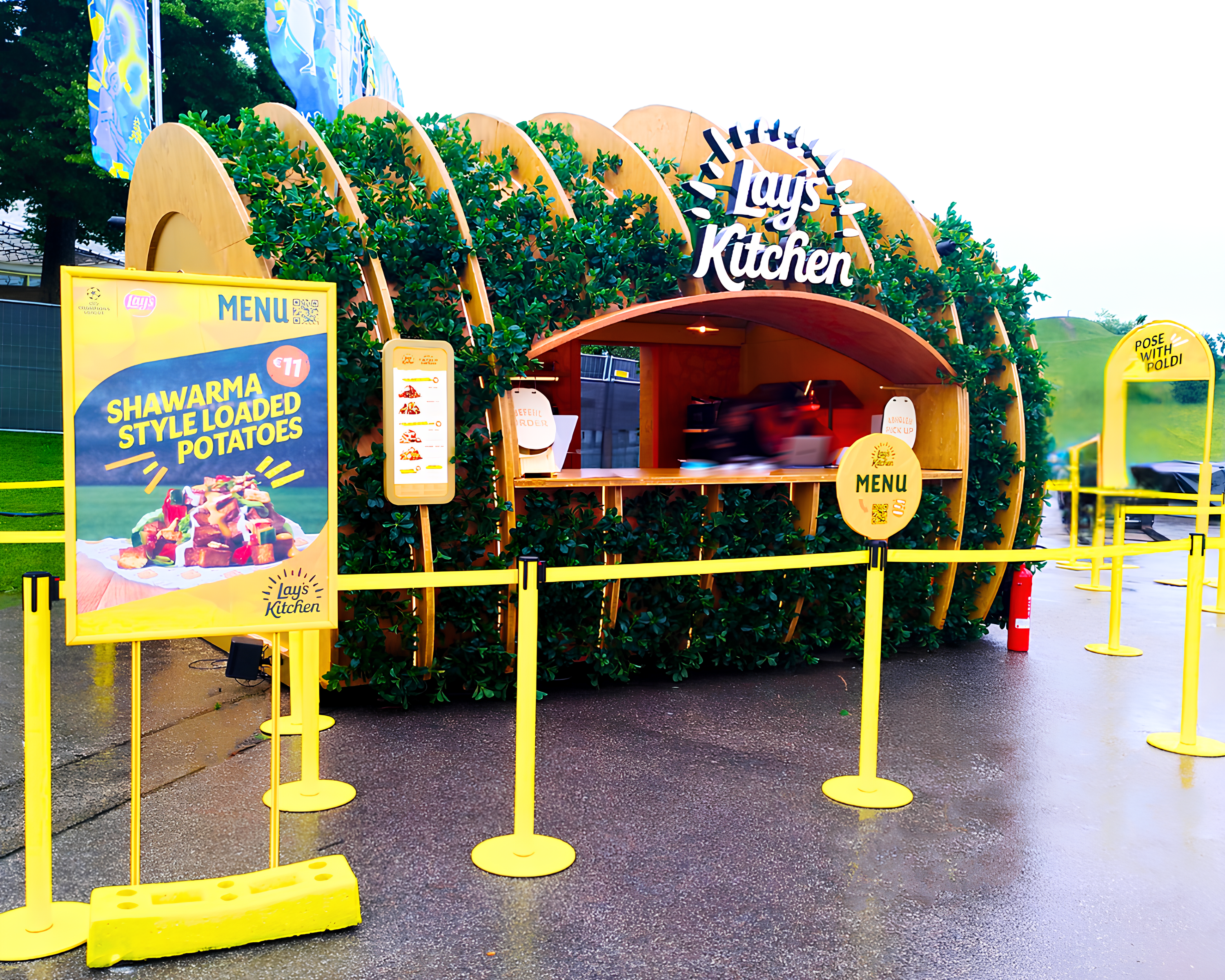
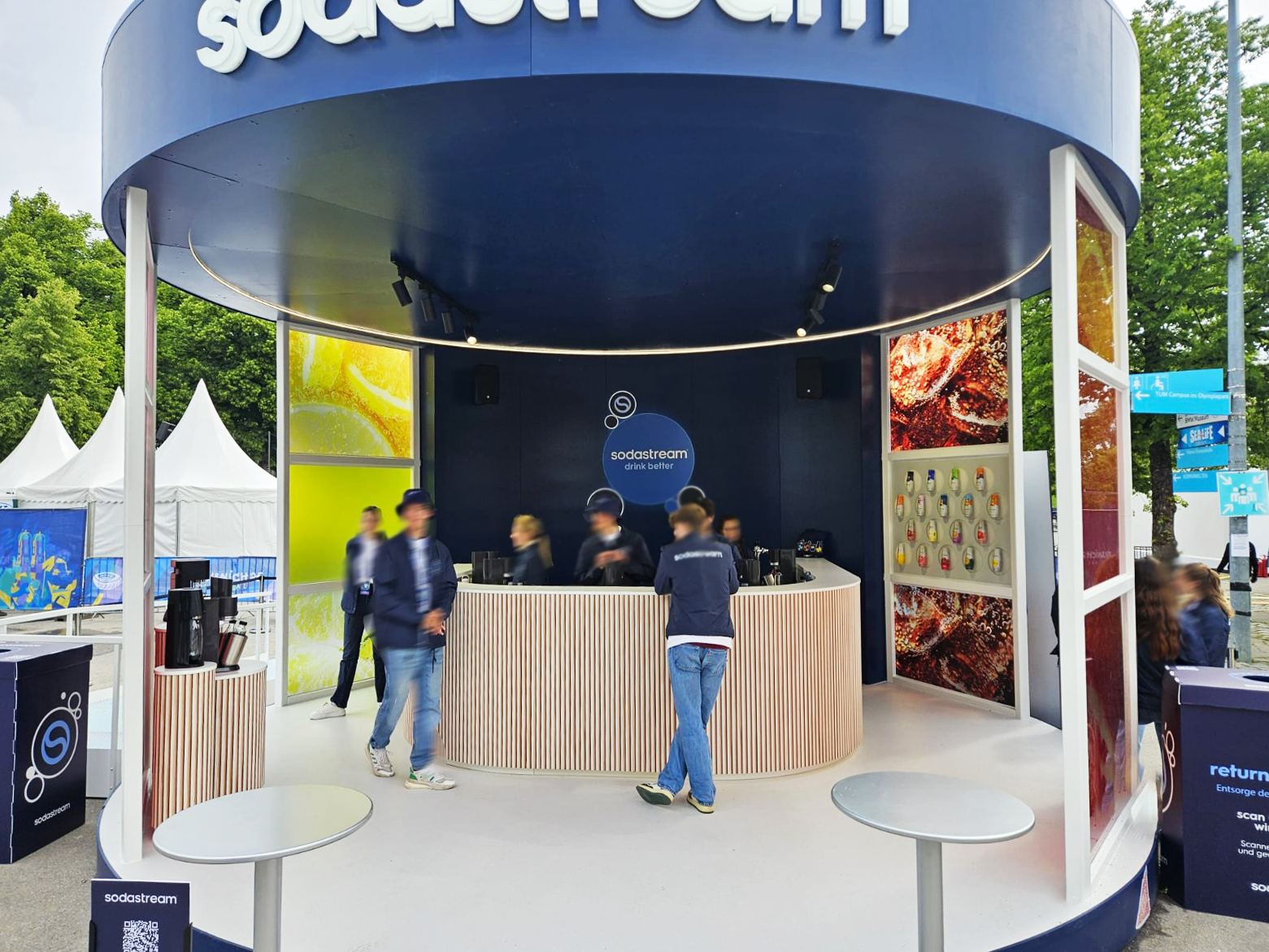
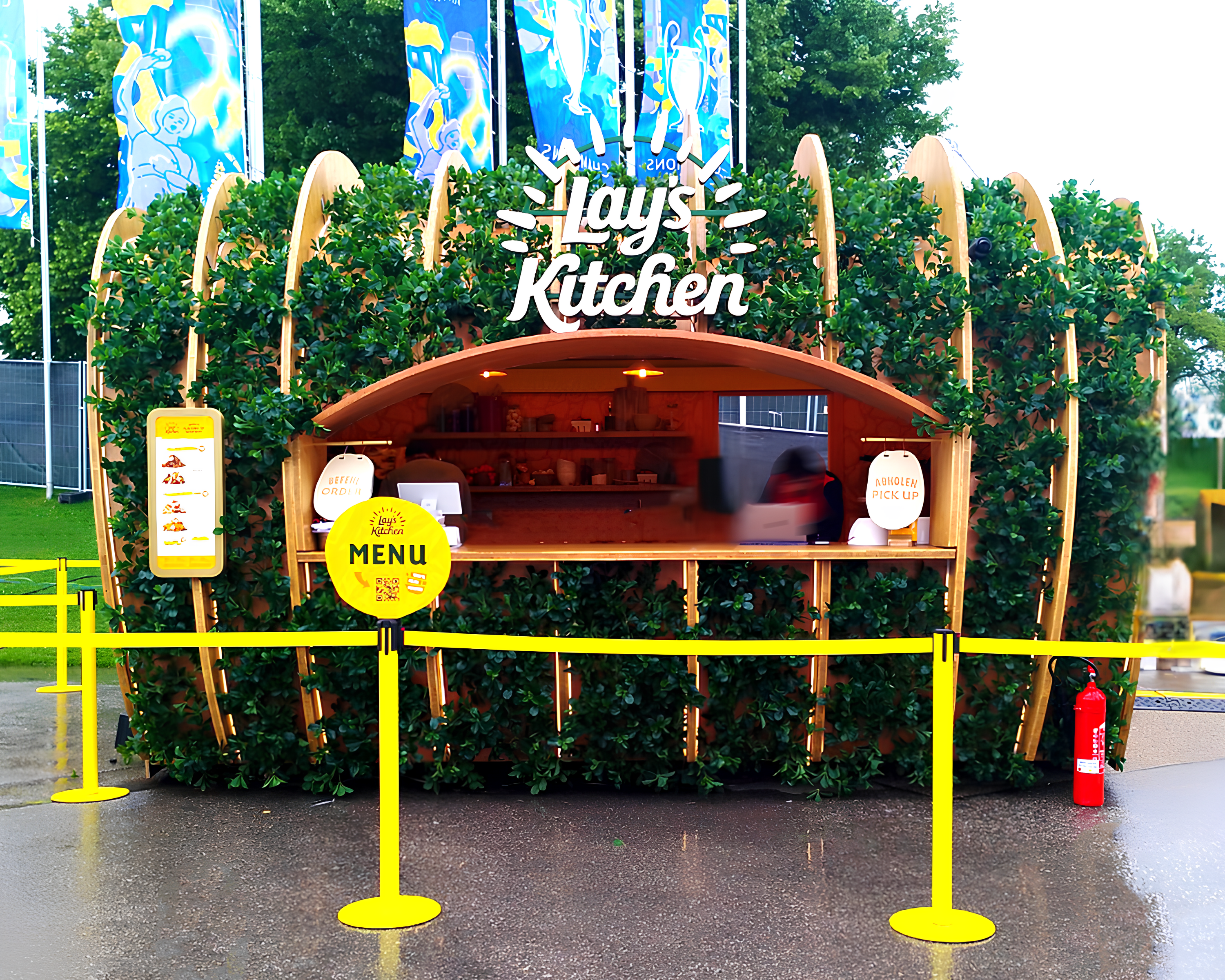
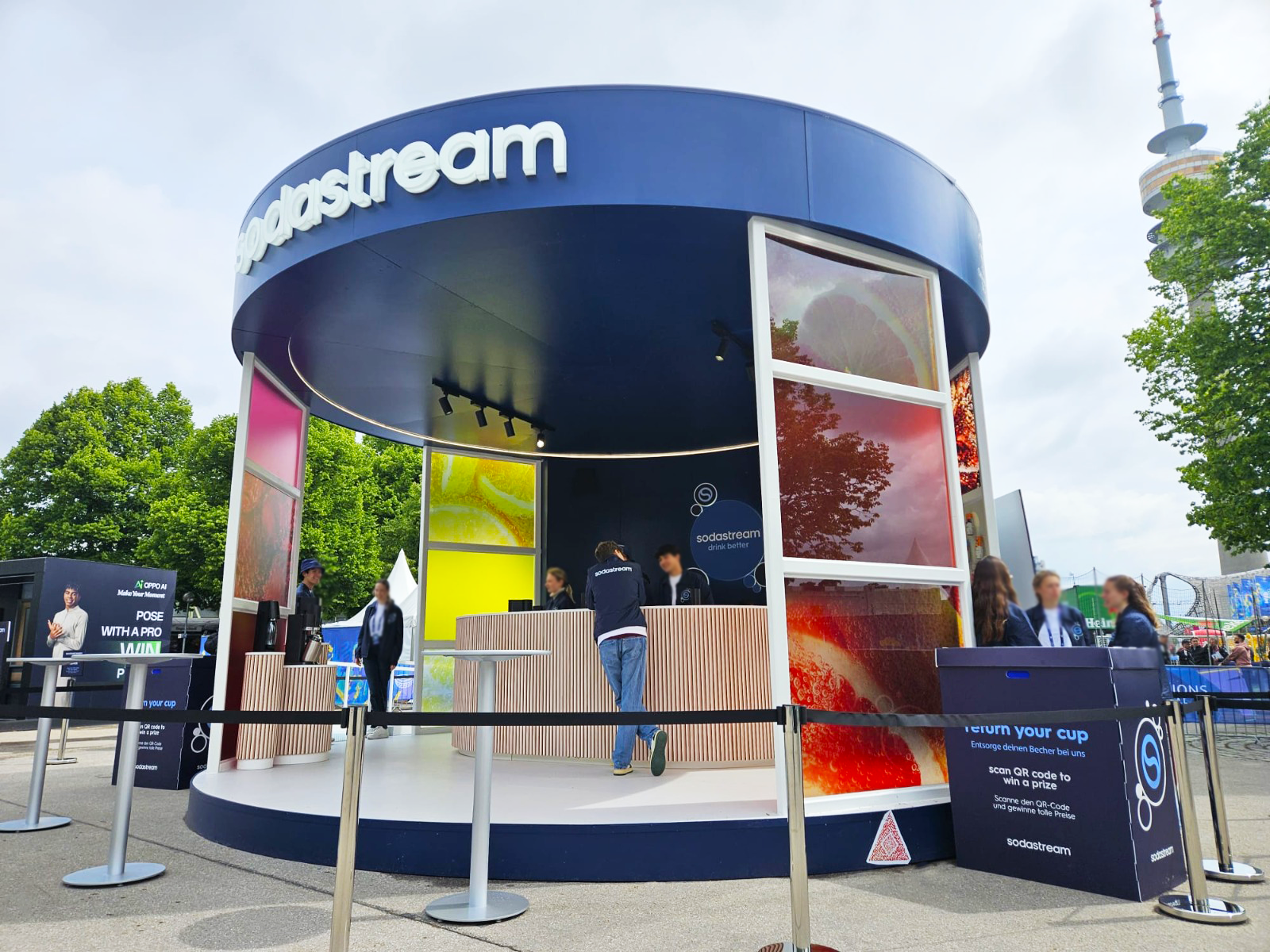
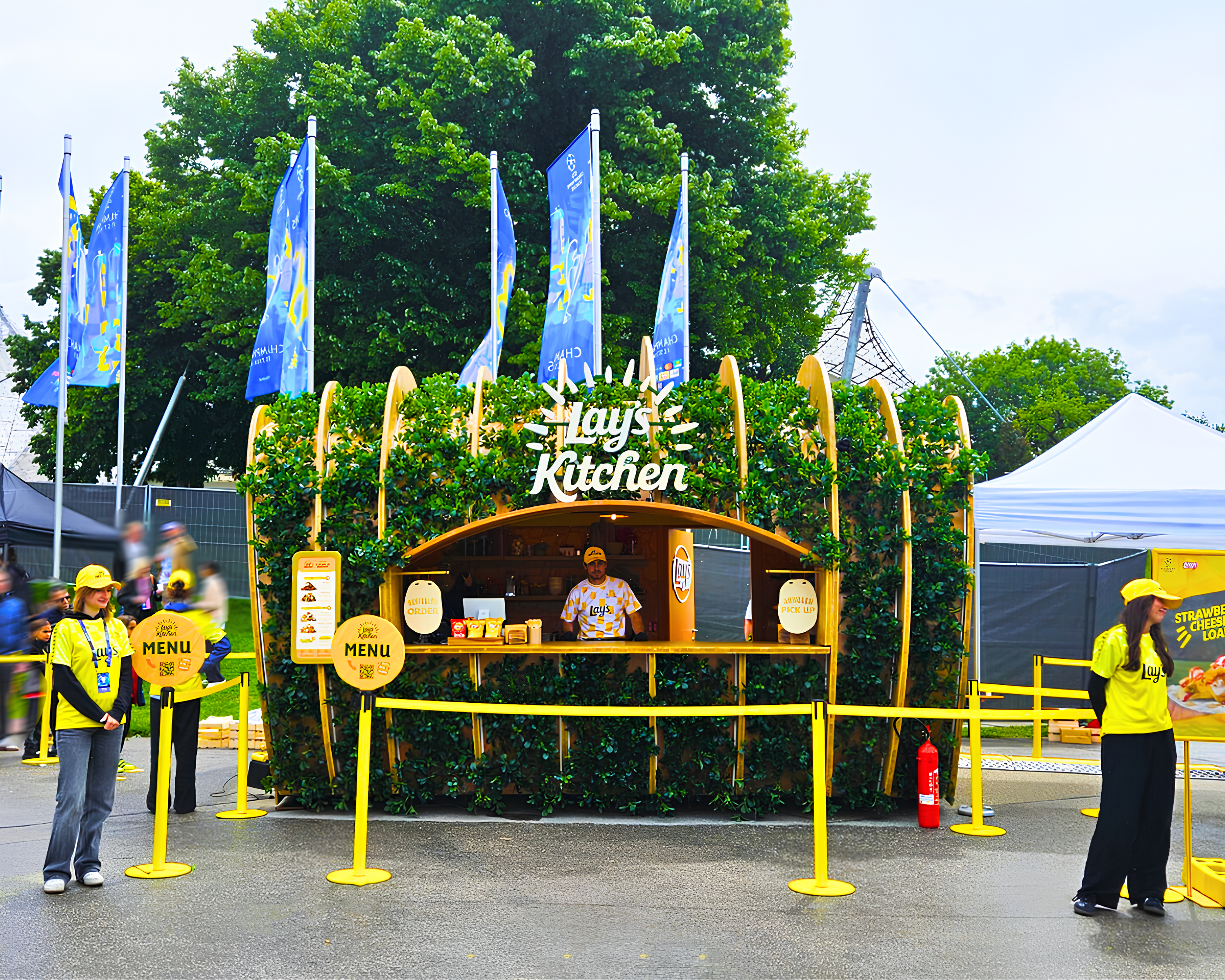
Lay’s & Sodastream Pop Up, UEFA Champions League, Munich, Germany – Engineering, design, production and installation by Pardgroup
From Visibility to Belonging
Sponsorship can create awareness. Participation can create connection.
A sportswear brand might organise a community run before a major race. A retailer might transform its store into a meeting point for a local fitness community. A product launch might become a training session rather than a traditional presentation.
In each case, the brand is doing more than communicating.
It is creating a reason to participate.
And when a brand becomes part of an experience that consumers genuinely value, its presence can feel less like advertising and more like a natural part of the environment.
That distinction is increasingly important.
The most successful brand activations in sport may not be the ones that are most visible.
They may be the ones that feel like they were meant to be there.
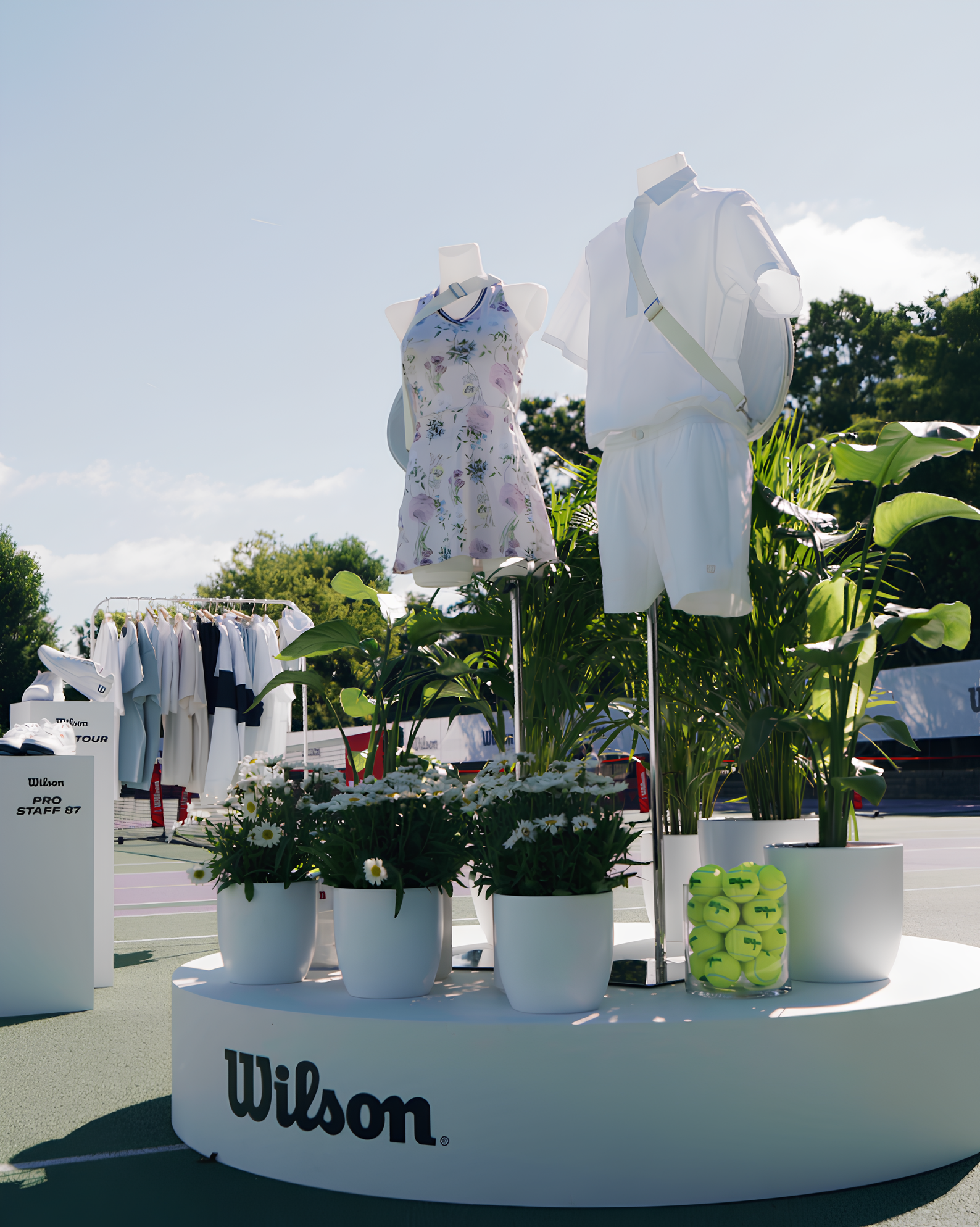
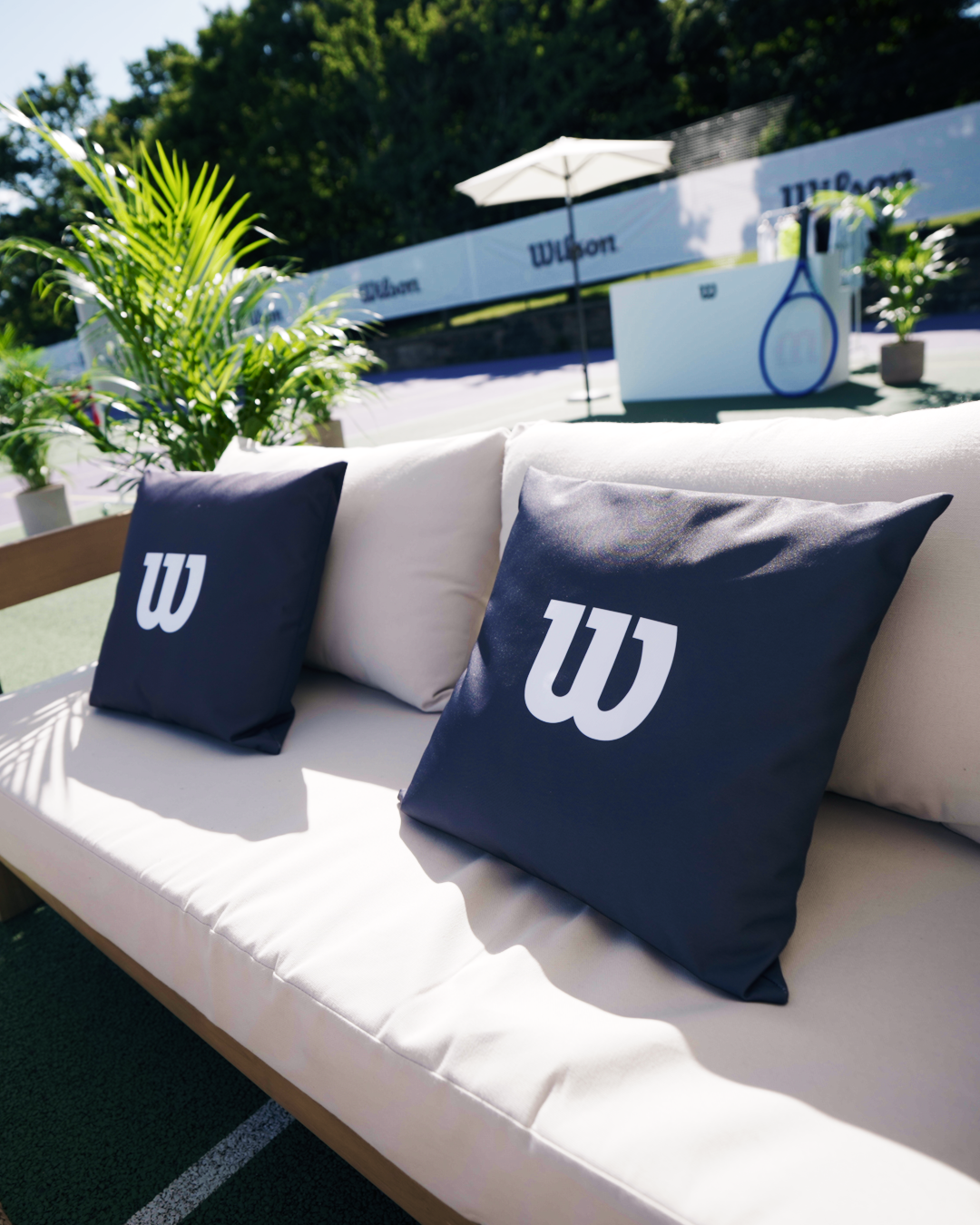
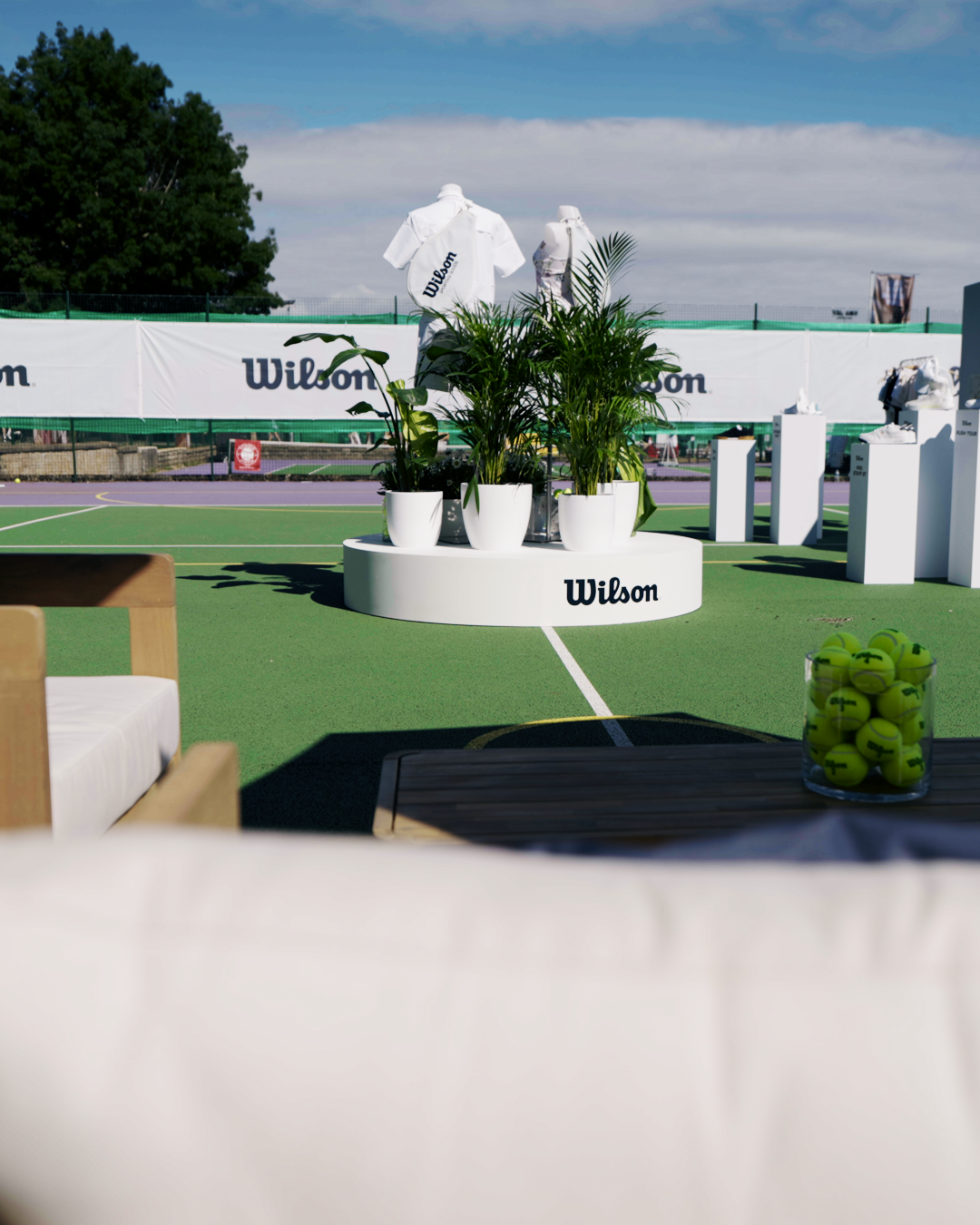
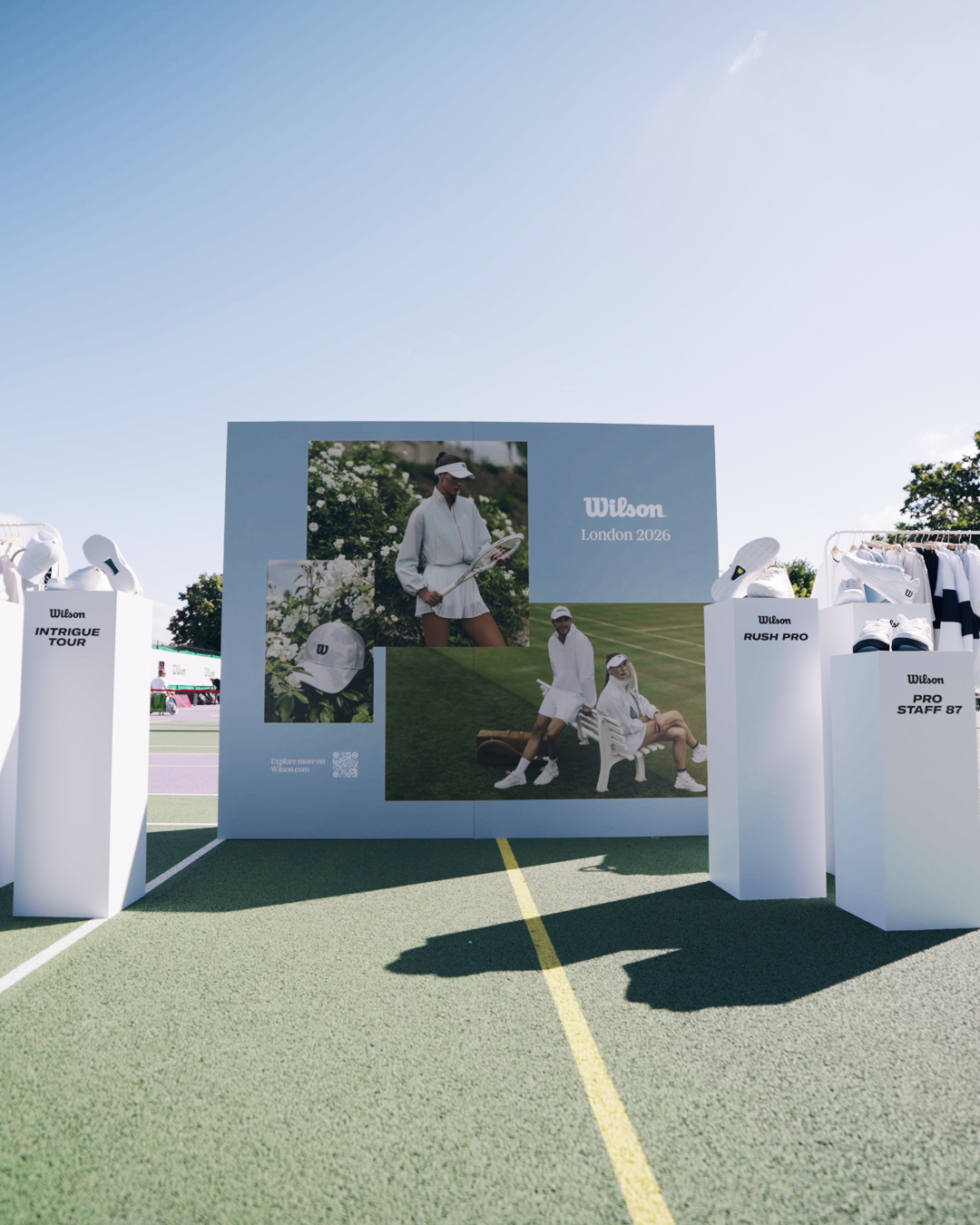
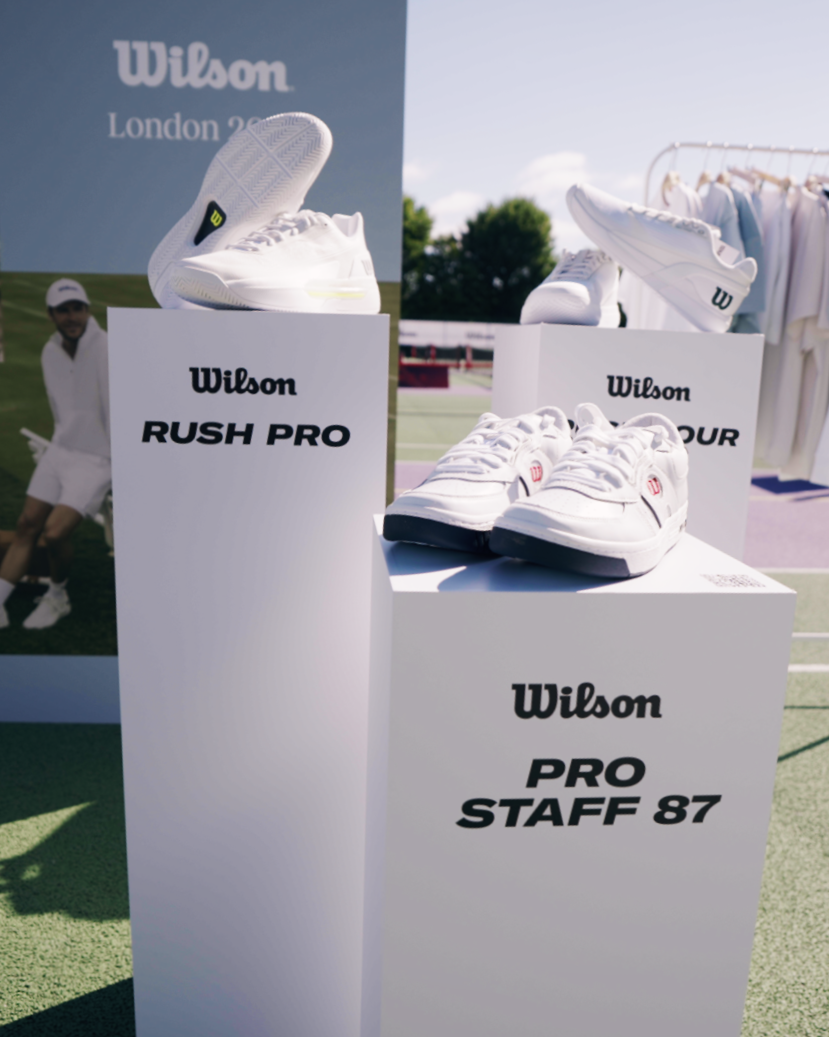
Wilson Pop Up, Wimbledon Tournament, Wimbledon Park, UK – Design by Axielab, production and installation by Pardgroup
Where Sport Meets Culture
The evolution of sport is also part of a wider cultural shift.
Consumers increasingly move fluidly between categories that were once kept separate.
A morning run can lead to coffee with a community. A fitness class can become a social event. A sportswear store can become a gathering space. A race can become a reason to travel.
Physical experiences are then amplified online, creating a continuous loop between participation, content and community.
For brands, this creates opportunities that extend well beyond traditional sports marketing.
Sport can become a gateway into a much broader lifestyle.
And the physical environment plays a central role in making that connection tangible.
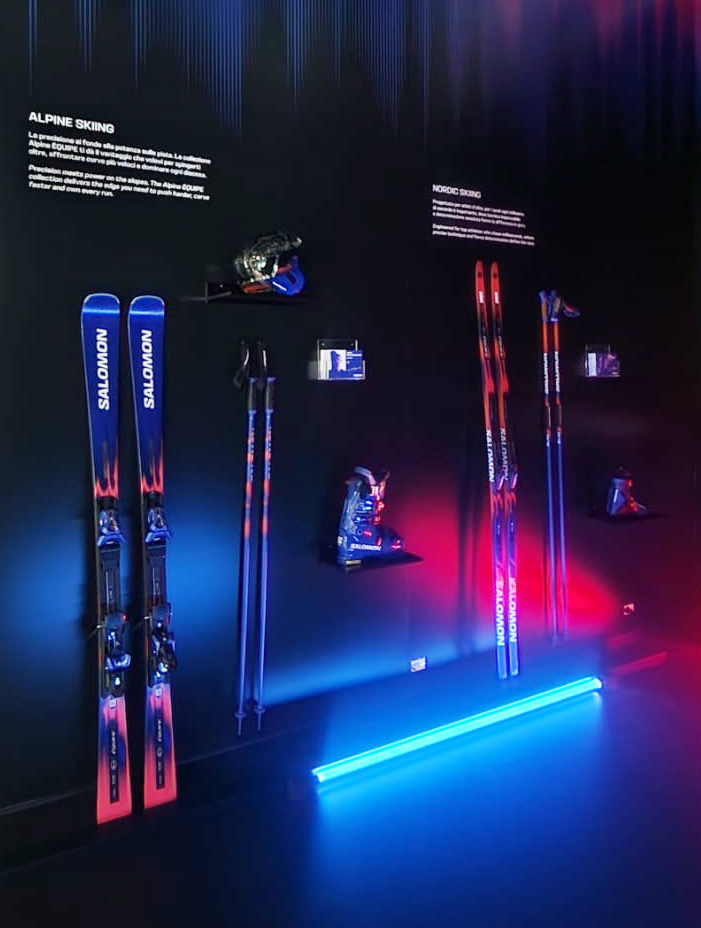
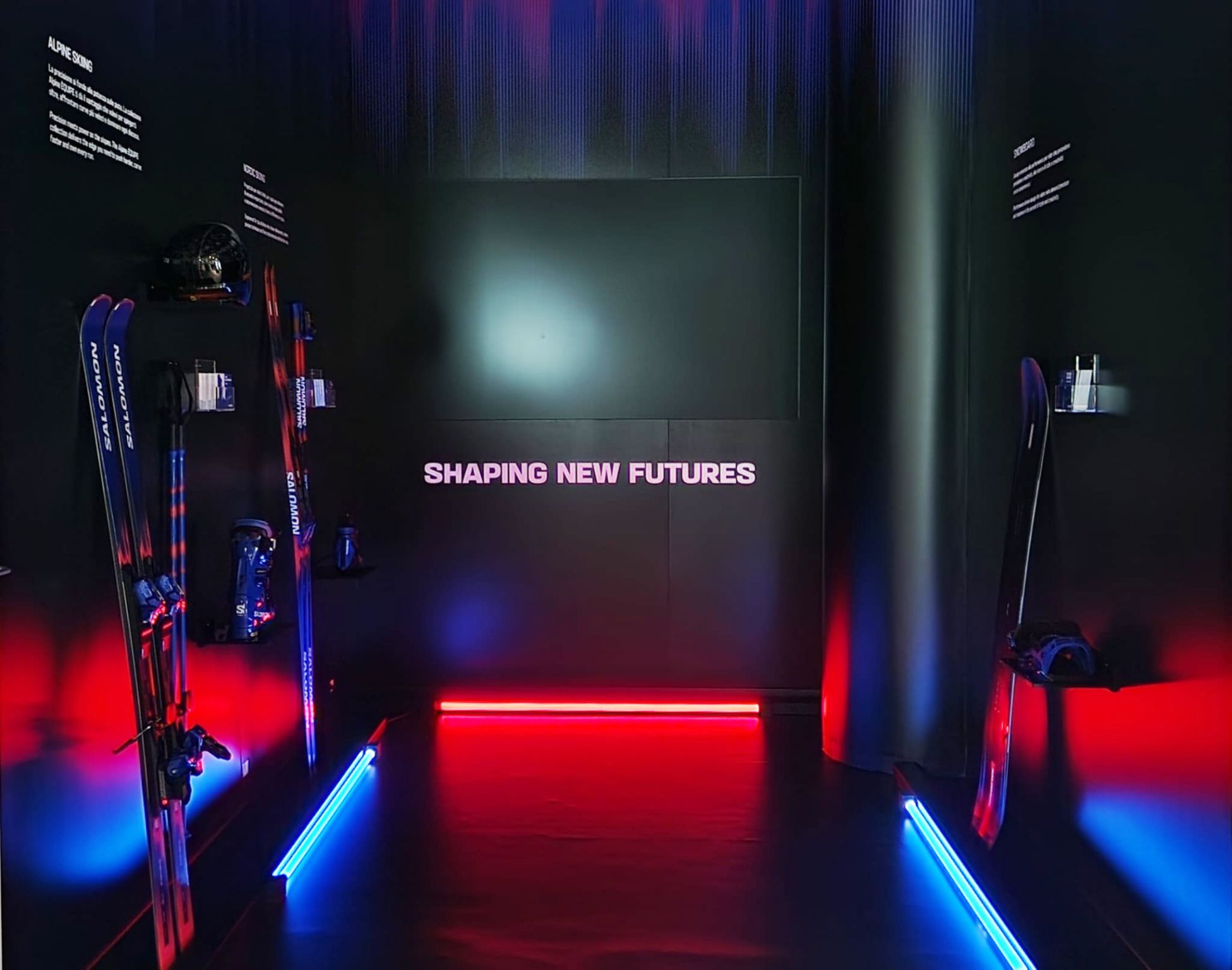
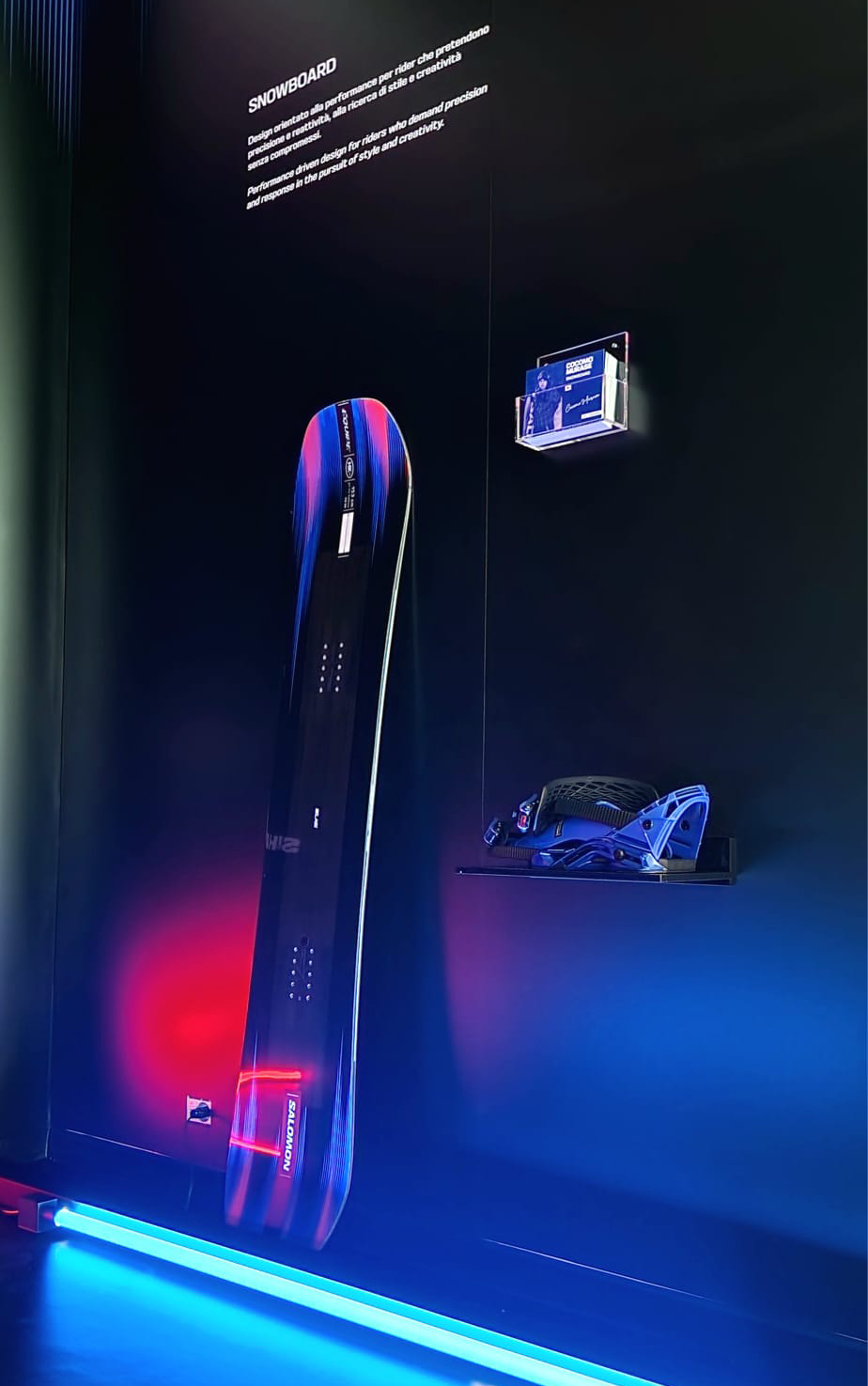
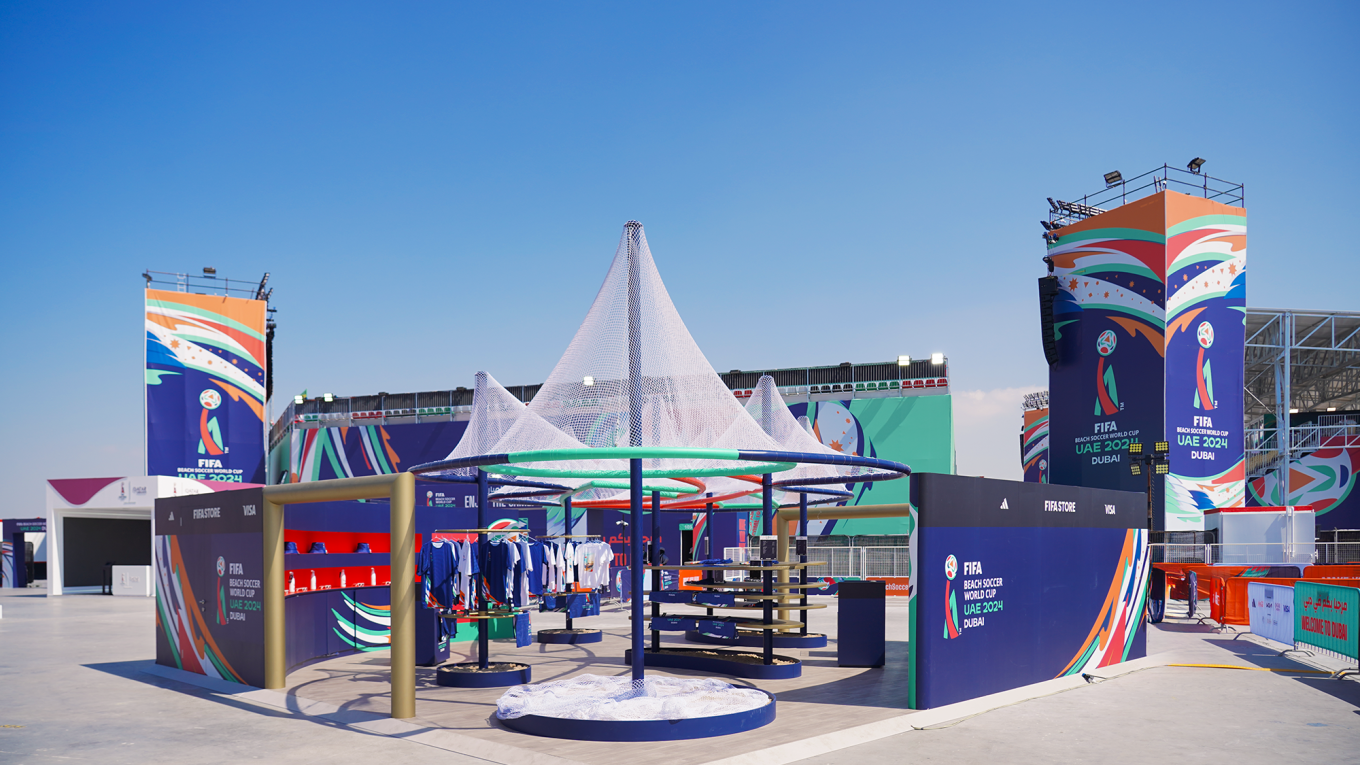
Salomon, Olympics Milano-Cortina, Milan, Italy – Production and installation by Pardgroup
The Pardgroup Perspective
This is where the opportunity becomes particularly interesting.
When a brand enters a sports environment, the challenge is not simply to create visibility.
It is to create something that feels relevant to the people experiencing it.
The space, the materials, the atmosphere, the interaction and the execution all contribute to that perception.
Whether it is a temporary retail space, a community activation, a branded event or a sports-related experience, the physical environment can turn a brand message into something people can actually experience.
This is why execution becomes strategic.
A well-designed activation should not feel like advertising inserted into a sports event.
It should feel like part of the event itself.
Something that adds value. Something people want to engage with. Something they might remember, photograph, share or return to.
Because when sport becomes a lifestyle, the brands that enter that world have an opportunity to become more than sponsors. They can become part of the culture around it.
What do you think makes a sports experience truly valuable? Is visibility still the main objective, or is participation becoming the new measure of engagement?